
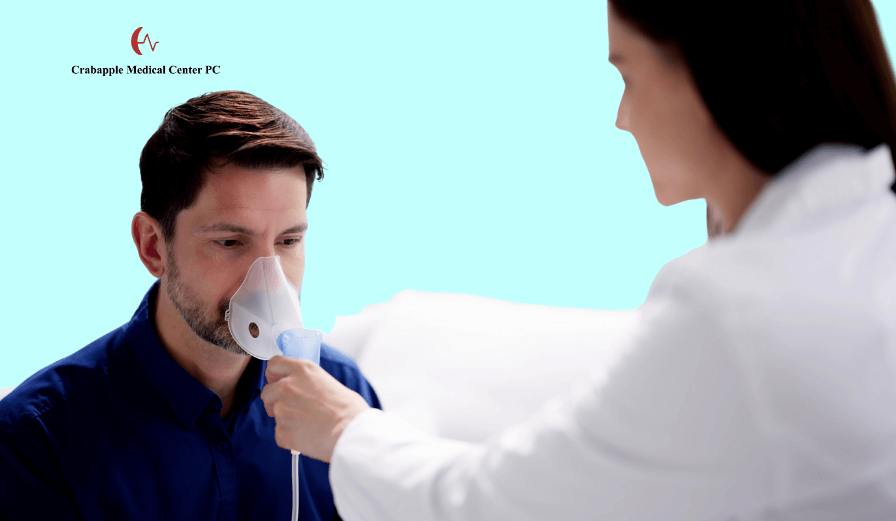
Chronic respiratory conditions like COPD and asthma affect millions of Americans, limiting daily activities and reducing quality of life. COPD Exacerbation Management plays a critical role in controlling symptoms, reducing flare-ups, and preventing hospitalizations. While these conditions cannot always be fully cured, effective management strategies help patients breathe easier, minimize sudden attacks, and maintain active, healthier lifestyles.
At Crabapple Medical Center in Alpharetta, GA, our respiratory care program emphasizes personalized treatment, patient education, and ongoing monitoring to empower patients in managing their lung health.
This guide explores the causes, symptoms, risk factors, and strategies for living well with COPD and asthma.
Understanding COPD Exacerbation Management
COPD is a progressive lung disease that obstructs airflow, making breathing difficult. It often results from long-term exposure to irritants such as cigarette smoke, environmental pollutants, or occupational hazards. COPD encompasses chronic bronchitis and emphysema, both of which damage the lungs over time.
Asthma is a chronic inflammatory condition of the airways that causes episodes of wheezing, shortness of breath, and coughing. Asthma symptoms can be triggered by allergens, respiratory infections, exercise, or irritants in the environment.
Key differences:
| Feature | COPD | Asthma |
| Onset | Usually after 40, progressive | Often in childhood or early adulthood |
| Reversibility | Partially reversible | Often reversible with treatment |
| Main triggers | Smoking, pollutants | Allergens, exercise, respiratory infections |
| Disease progression | Progressive and long-term | Can be intermittent and well-controlled |
Risk Factors for COPD and Asthma
Understanding the risk factors for COPD and asthma treatment is essential for prevention, early detection, and effective management. While some factors are unavoidable, many can be mitigated through lifestyle changes, environmental awareness, and medical intervention.
COPD Exacerbation Management Risk Factors

Smoking
Smoking is the leading cause of COPD, responsible for the majority of cases in adults. Both current and long-term past smoking increase the risk of developing chronic bronchitis and emphysema.
Environmental Exposure
Long-term exposure to air pollution, dust, chemical fumes, and secondhand smoke can damage the lungs and contribute to COPD development. Urban residents and those living near industrial areas may face higher risks.
Occupational Hazards
Jobs that involve prolonged exposure to irritants such as dust, vapors, and chemical fumes (e.g., mining, construction, manufacturing) can increase susceptibility to COPD over time.
Genetics:
A deficiency in alpha-1 antitrypsin, a protein that protects the lungs, can predispose individuals to COPD even if they have never smoked. Family history should be discussed with a healthcare provider for early screening.
Age
COPD is more common in adults over 40, and the risk increases as lung tissue naturally ages and loses elasticity.
Asthma Risk Factors
Allergies:
Exposure to allergens such as pollen, dust mites, mold, and pet dander can trigger asthma attacks, especially in those with a genetic predisposition to allergies.
Family History:
Asthma often runs in families. Individuals with parents or siblings who have asthma or allergic conditions are at higher risk.
Respiratory Infections:
Frequent respiratory infections, especially during childhood, can damage the airways and contribute to asthma development.
Obesity:
Excess weight can exacerbate asthma symptoms and increase disease severity. Obesity also makes breathing more difficult and may interfere with medication effectiveness.
Smoking Exposure:
Both active smoking and secondhand smoke exposure during childhood or adulthood increase the likelihood of asthma development and worsen existing symptoms.
Occupational and Environmental Triggers:
Exposure to chemical irritants, dust, or fumes in workplaces or polluted environments can trigger asthma flare-ups in sensitive individuals.
Recognizing Symptoms of COPD and Asthma
Early recognition of symptoms is critical for timely intervention and improved quality of life. Both COPD and asthma affect breathing, but they present differently depending on disease type and severity.
COPD Symptoms
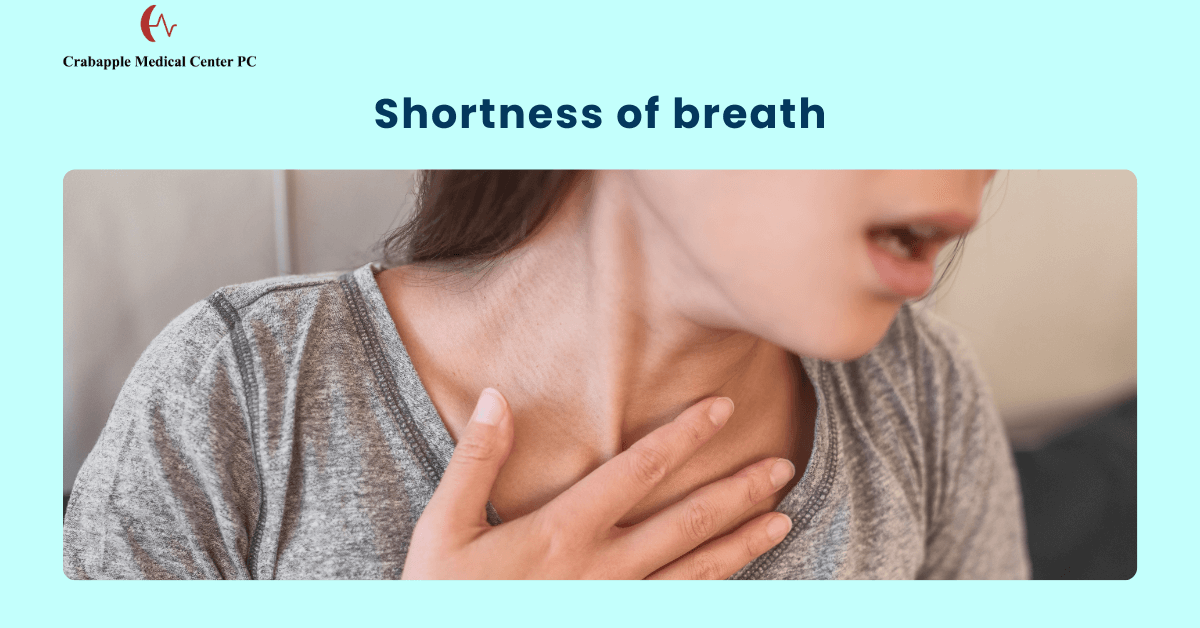
- Shortness of breath : Often worsens with physical activity and may progress over time.
- Chronic cough : Persistent coughing, often producing mucus, is a hallmark of COPD.
- Wheezing and chest tightness : Caused by narrowed airways and inflammation.
- Frequent respiratory infections : Individuals with COPD are more susceptible to colds, flu, and pneumonia.
- Fatigue and decreased exercise tolerance : Reduced lung function can make everyday activities tiring.
Asthma Symptoms
- Wheezing: High-pitched whistling sounds, especially noticeable at night or early morning.
- Shortness of breath: Triggered by exercise, allergens, or respiratory infections.
- Chest tightness or pain: Often accompanies wheezing and breathlessness.
- Coughing: Especially at night or during physical activity, sometimes worsening over time.
- Sudden flare-ups: Asthma attacks may occur unexpectedly, requiring rescue inhaler use or medical attention.
Schedule Your Respiratory Assessment Today
Take the first step toward better breathing. Schedule a comprehensive evaluation at Crabapple Medical Center to assess your lung health and create a personalized management plan.
Diagnosis and Monitoring
Accurate diagnosis and continuous monitoring are essential to effectively manage COPD Exacerbation Management, prevent complications, and maintain quality of life. At Crabapple Medical Center in Alpharetta, GA, our providers use a combination of clinical assessments, tests, and monitoring tools tailored to each patient.
Pulmonary Function Tests (PFTs)
PFTs evaluate lung capacity, volume, and airflow, helping determine disease severity and progression. These tests are critical for:
- Differentiating between COPD and asthma
- Assessing response to medications
- Monitoring changes over time
Spirometry
Spirometry is a cornerstone in respiratory diagnostics. It measures how much air you can inhale and exhale, and how quickly you can expel air from your lungs. It helps detect:
- Airflow obstruction
- Reversibility, which is key for distinguishing asthma from COPD
- Effectiveness of current treatments
Imaging
Chest X-rays or CT scans are used to identify structural changes in the lungs, such as:
- Emphysema or lung tissue damage in COPD
- Enlarged airways or airway thickening
- Nodules or other abnormalities requiring further evaluation
Allergy Testing
For asthma patients, identifying triggers is critical. Tests may include:
- Skin prick tests for common allergens (pollen, dust mites, mold, pet dander)
- Blood tests to measure specific IgE antibodies
Understanding triggers allows providers to develop personalized avoidance strategies and targeted therapies.
Oxygen Saturation Monitoring
Measuring blood oxygen levels ensures that COPD patients maintain adequate oxygenation. Tools include:
- Pulse oximetry at home or in the clinic
- Arterial blood gas tests in more advanced cases
Regular monitoring allows timely intervention, including supplemental oxygen if needed.
Consistent monitoring helps your healthcare team adjust medications, anticipate flare-ups, and maintain optimal lung function.
Treatment Strategies
Effective management of COPD and asthma requires a combination of medications, lifestyle modifications, and supportive therapies.
COPD Medications
- Bronchodilators: Relax airway muscles, easing airflow and reducing shortness of breath. Can be short-acting for quick relief or long-acting for maintenance.
- Inhaled corticosteroids: Reduce inflammation and prevent flare-ups. Often combined with bronchodilators for better results.
- Combination inhalers: Include both bronchodilators and corticosteroids for patients with moderate to severe COPD.
- Phosphodiesterase-4 inhibitors: Reduce airway inflammation and relax smooth muscles in severe cases.
- Oxygen therapy: For patients with chronically low oxygen levels, supplemental oxygen improves energy, heart function, and quality of life.
Asthma Medications
- Rescue inhalers (short-acting bronchodilators) : Provide rapid relief during asthma attacks. Critical for managing sudden symptoms.
- Controller medications (inhaled corticosteroids) : Reduce inflammation, prevent attacks, and improve long-term lung function.
- Leukotriene modifiers : Oral medications that reduce inflammation and prevent asthma triggered by allergens or exercise.
- Biologic therapies : Target specific pathways in severe asthma not responsive to conventional treatments. Administered via injection or infusion under medical supervision.
Importance of Adherence and Education
- Using medications consistently and correctly is crucial for controlling symptoms and preventing exacerbations.
- Education on inhaler techniques, trigger avoidance, and symptom monitoring empowers patients to manage their condition effectively.
- Regular follow-ups ensure treatment plans are adjusted as needed for maximum benefit.
Lifestyle and Self-Management Tips
Effective self-care is a cornerstone of COPD and asthma management. Combining medical treatment with lifestyle adjustments can reduce symptoms, prevent flare-ups, and improve overall quality of life.
Quit Smoking
Smoking is the leading cause of COPD and a major trigger for asthma exacerbations. Quitting smoking not only slows disease progression but also enhances lung function and reduces complications. Crabapple Medical Center offers counseling and resources to support patients in achieving and maintaining a smoke-free lifestyle.
Avoid Triggers
Identify and minimize exposure to environmental irritants and allergens, such as:
- Dust, mold, and pet dander
- Pollen and outdoor air pollution
- Chemical fumes and cleaning agents
Keeping a log of triggers can help your provider tailor a management plan and reduce the frequency of flare-ups.
Exercise Regularly
Moderate, consistent physical activity improves cardiovascular health, strengthens respiratory muscles, and increases stamina. Pulmonary rehabilitation programs, walking, swimming, or yoga can enhance lung function while maintaining overall fitness. Always consult your healthcare provider before starting a new exercise regimen.
Maintain a Healthy Weight
Excess body weight strains the lungs, making breathing more difficult and exacerbating symptoms. Balanced nutrition combined with regular physical activity helps manage weight and supports respiratory health.
Vaccinations
Preventing respiratory infections is crucial for patients with COPD and asthma. Recommended vaccinations include:
- Annual influenza vaccine
- Pneumococcal vaccine
- COVID-19 vaccine and boosters as appropriate
Vaccinations reduce the risk of serious lung infections and hospitalizations.
Monitor Symptoms
Keeping a daily diary of symptoms, medication usage, and peak flow readings helps track disease progression and identify early warning signs of exacerbations. Share this information with your healthcare provider to guide adjustments in your treatment plan.
Preventing Exacerbations
Preventing flare-ups is key to maintaining lung function and avoiding hospital visits. Patients can take several proactive steps:
- Adhere to Medications : Take all prescribed medications consistently and correctly, including inhalers and oral medications.
- Monitor Air Quality : Avoid outdoor activities when pollution or pollen levels are high; use air purifiers indoors if necessary.
- Practice Good Hygiene : Frequent handwashing and avoiding sick contacts reduce the risk of respiratory infections.
- Regular Check-Ups: Routine appointments at Crabapple Medical Center ensure early detection of issues, timely medication adjustments, and optimal disease management.
- Vaccinations : Staying current with flu, pneumonia, and COVID-19 vaccines helps prevent infections that could trigger exacerbations.
When to Seek Medical Help Immediately
Seek urgent care if you experience:
- Severe shortness of breath or difficulty speaking
- Blue lips or fingernails indicating low oxygen
- Rapid worsening of symptoms despite medication
- High fever or chest pain during a respiratory infection
Crabapple Medical Center provides rapid evaluation and management to prevent hospitalization and serious complications.
The Role of Crabapple Medical Center
At Crabapple Medical Center in Alpharetta, GA, our approach to COPD and asthma management includes:
- Comprehensive diagnostic testing and interpretation
- Personalized medication plans and inhaler training
- Lifestyle counselling and preventive care
- Ongoing monitoring to adjust treatment and reduce flare-ups
Take Control of Your Breathing and Health
Managing COPD and asthma requires a combination of medical care, lifestyle adjustments, and ongoing monitoring. At Crabapple Medical Center in Alpharetta, GA, our dedicated team works with patients to create personalized treatment plans, provide education, and offer support for daily self-management.
By taking proactive steps, adhering to medications, and attending regular check-ups, you can reduce flare-ups, improve lung function, and enjoy a more active, fulfilling life. Start your journey toward better breathing today by partnering with our experienced healthcare professionals.
Stay Ahead of Flare-Ups with Expert Guidance
Work closely with our healthcare team to monitor your symptoms, adjust medications, and prevent exacerbations. Regular follow-ups help you maintain optimal respiratory health
Frequently Asked Questions
Can COPD or Asthma Be Cured?
COPD is a progressive condition without a cure, but symptoms can be managed effectively. Asthma can be well-controlled with proper treatment and trigger management.
How Often Should I Check My Lung function?
Routine lung function tests, including spirometry, are recommended annually or more frequently if your symptoms change.
Are Inhalers Safe For Long-Term Use?
Yes. When used as prescribed, both rescue and controller inhalers are safe and crucial for managing symptoms and preventing exacerbations.
Can Lifestyle Changes Really Improve Breathing?
Absolutely. Quitting smoking, exercising regularly, avoiding triggers, and maintaining a healthy weight significantly improve lung function and reduce flare-ups.
How can I Tell If my Symptoms are Worsening?
Keep a symptom diary, monitor peak flow readings, and note changes in coughing, wheezing, or shortness of breath. Sudden worsening or frequent flare-ups should prompt medical evaluation.