

Many serious health conditions develop quietly, progressing for years without noticeable symptoms. These “silent” illnesses often go undetected until significant damage has already occurred, making treatment more complex and outcomes less predictable. Because individuals may feel healthy and functional, routine medical care is often postponed, allowing underlying issues to worsen unnoticed.
At Crabapple Medical Center PC in Alpharetta, GA, we emphasize the importance of preventive care and regular primary care visits to identify health risks early. Silent health conditions are a major reason why consistent medical check-ups are essential, even when you feel well. Early detection allows for timely intervention, lifestyle changes, and treatment strategies that can prevent long-term complications and improve quality of life.
This article explores common silent health conditions, why they are dangerous, how they are detected, and what steps you can take to protect your health through proactive primary care.
What Are Silent Health Conditions?
Silent health conditions are illnesses that develop with few or no noticeable symptoms during their early stages. Because these conditions do not cause immediate discomfort or obvious warning signs, individuals often remain unaware of their presence until routine testing or advanced disease progression reveals the problem.
These conditions can affect nearly every system in the body, including the cardiovascular system, endocrine system, kidneys, liver, and bones. Without early intervention, silent illnesses can lead to irreversible damage, disability, or life-threatening complications.
Primary care plays a critical role in identifying silent conditions through routine screenings, lab tests, and comprehensive health evaluations tailored to each patient’s risk factors.
Why Silent Conditions Are Especially Dangerous
The greatest risk of silent health conditions lies in delayed diagnosis. Without symptoms to prompt medical attention, individuals may unknowingly live with a condition that gradually damages organs, blood vessels, or tissues over time.
Delayed detection often means treatment must be more aggressive once symptoms appear. In many cases, complications such as heart attacks, strokes, kidney failure, or vision loss may be the first noticeable signs of an underlying illness.
Regular primary care visits help uncover these hidden threats early, allowing patients to take control of their health before irreversible harm occurs.
Take the First Step Toward Preventive Health
Many health conditions remain unnoticed until they progress. At Crabapple Medical Center, we focus on early detection through routine exams and personalized screenings. Schedule your appointment today to stay informed about your health.
High Blood Pressure (Hypertension)
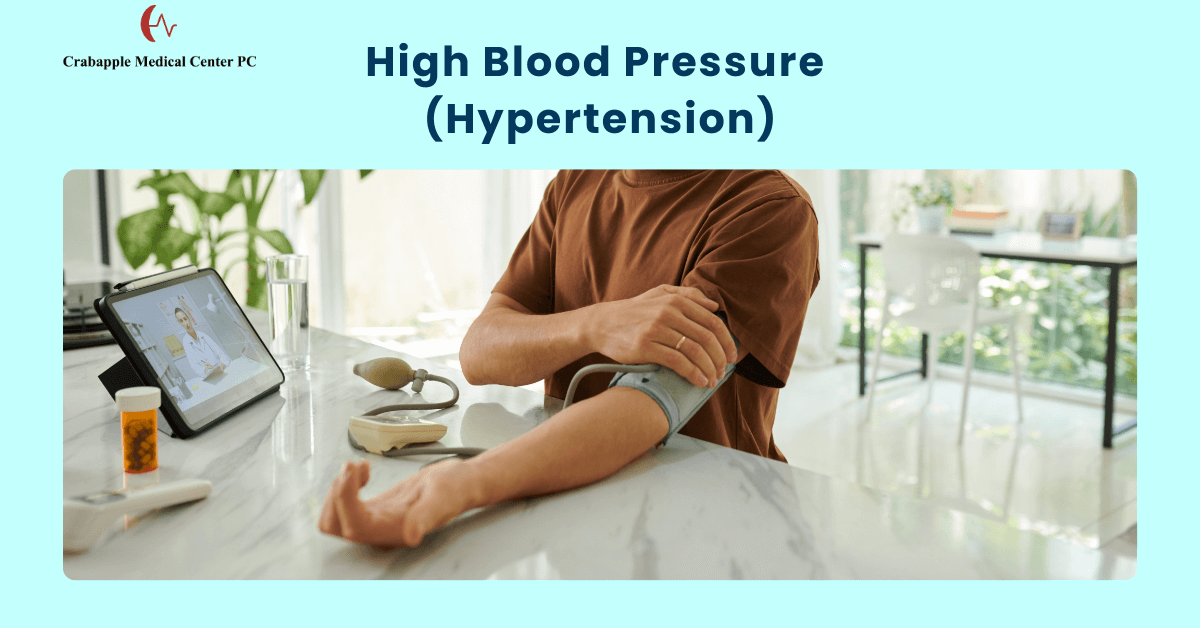
High blood pressure is one of the most common silent health conditions affecting adults. Often referred to as the “silent killer,” hypertension rarely causes symptoms until it reaches dangerously high levels or leads to complications.
Unchecked high blood pressure damages blood vessels and increases the risk of heart disease, stroke, kidney disease, and vision problems. Many individuals live with hypertension for years without knowing it, making routine blood pressure checks during primary care visits essential.
Early detection allows for lifestyle modifications, medication management, and monitoring strategies that significantly reduce long-term risks.
Type 2 Diabetes
Type 2 diabetes frequently develops without noticeable symptoms in its early stages. Elevated blood sugar levels may go undetected until complications such as nerve damage, vision changes, kidney disease, or cardiovascular issues arise.
Routine blood glucose testing and HbA1c screening during primary care visits help identify diabetes early. Early diagnosis allows patients to manage their condition through lifestyle changes, medication, and ongoing monitoring, preventing or delaying serious complications.
At Crabapple Medical Center, diabetes screening and management are central components of preventive care for at-risk individuals.
High Cholesterol
High cholesterol is another silent condition that can significantly impact cardiovascular health. Individuals with elevated cholesterol levels often feel completely normal, even as plaque builds up in their arteries.
Over time, untreated high cholesterol increases the risk of heart attacks, strokes, and peripheral artery disease. Cholesterol screening during routine check-ups provides critical insight into cardiovascular risk and allows providers to recommend dietary changes, exercise, or medications when necessary.
Regular monitoring ensures that cholesterol levels remain within healthy ranges and reduces long-term cardiovascular risk.
Heart Disease in Its Early Stages
Heart disease often progresses silently, especially in its early phases. Conditions such as coronary artery disease may develop without chest pain, shortness of breath, or other classic symptoms.
Primary care providers assess heart disease risk through blood pressure measurements, cholesterol levels, family history, lifestyle evaluation, and diagnostic testing when indicated. Early identification enables preventive strategies that can significantly lower the risk of heart attacks and other cardiac events.
Chronic Kidney Disease
Chronic kidney disease (CKD) is another condition that frequently develops without early symptoms. Many individuals do not realize they have kidney disease until significant kidney function has been lost.
Routine blood and urine tests during primary care visits can detect early signs of kidney dysfunction. Managing contributing factors such as high blood pressure and diabetes helps slow disease progression and preserve kidney health.
Liver Disease
Certain liver conditions, including fatty liver disease and early-stage hepatitis, may cause little to no symptoms initially. Liver damage can progress silently until more advanced disease develops.
Primary care screenings, blood tests, and imaging studies help identify liver abnormalities early. Early intervention through lifestyle changes and medical management can prevent serious complications such as cirrhosis or liver failure.
Osteoporosis and Bone Density Loss
Bone loss occurs gradually and silently, often without pain or noticeable symptoms until a fracture occurs. Osteoporosis increases the risk of fractures, particularly in older adults and postmenopausal women.
Primary care providers assess bone health through risk factor evaluation and bone density testing when appropriate. Early detection allows for preventive strategies, including nutrition, exercise, and medication to protect bone strength.
Certain Cancers
Some cancers, including colon cancer, cervical cancer, and prostate cancer, may not cause symptoms in early stages. Screening tests play a critical role in detecting these cancers before symptoms develop.
Routine cancer screenings recommended by primary care providers significantly improve survival rates by identifying cancer at more treatable stages. Preventive screenings are a cornerstone of comprehensive primary care.
Role of Primary Care in Detecting Silent Conditions
Primary care providers serve as the first line of defense against silent health conditions. Through comprehensive health assessments, routine screenings, and personalized risk evaluations, primary care visits help uncover hidden health issues early.
Providers consider factors such as age, family history, lifestyle habits, and existing conditions to tailor screening recommendations. This individualized approach ensures that potential risks are addressed proactively rather than reactively.
Commit to Long Term Wellness With Crabapple Medical Center
Preventive care empowers you to protect your health before symptoms appear. Our experienced primary care team offers ongoing monitoring and individualized care plans for lasting wellness. Contact us today to book your appointment.
Who Is Most at Risk for Silent Health Conditions?
While silent conditions can affect anyone, certain individuals face higher risk. Factors such as family history, aging, sedentary lifestyle, poor diet, obesity, smoking, and chronic stress increase susceptibility.
Patients with existing conditions such as diabetes or hypertension are also at greater risk for developing additional silent illnesses. Regular primary care visits help identify these risks and guide preventive strategies.
How Often Should You Be Screened?
Screening frequency depends on individual risk factors, age, and medical history. Many adults benefit from annual check-ups that include blood pressure measurement, blood work, and preventive screenings.
Patients with chronic conditions or higher risk profiles may require more frequent monitoring. Your primary care provider will develop a screening schedule tailored to your specific health needs.
Lifestyle Changes That Support Early Prevention
Healthy lifestyle habits play a crucial role in preventing and managing silent health conditions. Balanced nutrition, regular physical activity, adequate sleep, stress management, and avoiding tobacco contribute significantly to overall health.
Primary care visits provide an opportunity to receive personalized lifestyle guidance and support programs that promote sustainable health improvements.
Primary Care at Crabapple Medical Center PC in Alpharetta, GA
At Crabapple Medical Center PC, we are committed to helping patients detect and manage silent health conditions before they become serious. Our comprehensive primary care services focus on prevention, early diagnosis, and personalized treatment plans.
Patients benefit from:
- Preventive health screenings and annual exams
- Chronic disease management
- Women’s care and geriatric services
- Walk-in visits for non-emergency needs
- Weight management and wellness programs
- Coordinated care across medical services
Our experienced team works closely with patients to support long-term health and well-being.
The Long-Term Benefits of Preventive Primary Care
Preventive primary care leads to better health outcomes, reduced healthcare costs, and improved quality of life. Early detection of silent conditions allows for timely intervention and prevents complications that may otherwise require hospitalization or invasive treatment.
By prioritizing regular primary care visits, patients gain peace of mind and greater control over their health journey.
Take Action Before Symptoms Appear
Feeling healthy does not always mean that your body is free from disease. Silent health conditions highlight the importance of proactive medical care and routine screenings.
At Crabapple Medical Center PC in Alpharetta, GA, our team is dedicated to helping you stay informed, protected, and empowered through comprehensive primary care. Schedule your visit today and take a proactive step toward safeguarding your health.
Comprehensive Preventive Care at Crabapple Medical Center
Your health deserves attention before problems arise. With personalized screenings, preventive care, and expert guidance, our team is here to support your well-being at every stage of life. Contact Crabapple Medical Center PC today to book your appointment and invest in your long-term health.
Frequently Asked Questions
What are silent health conditions?
Silent health conditions are illnesses that develop gradually without obvious symptoms in their early stages. Examples include high blood pressure, high cholesterol, type 2 diabetes, and early-stage kidney disease. Without routine screenings, these conditions can go undetected until complications arise.
Why are regular check-ups important even if I feel healthy?
Many serious health issues show no early warning signs. Regular check-ups allow for early detection, timely intervention, and preventive care, which improves treatment outcomes and lowers the risk of complications.
How are silent conditions detected?
Silent conditions are usually identified through routine screenings, blood tests, physical exams, imaging, and risk assessments performed during primary care visits. These evaluations help detect problems before symptoms appear.
Who is at higher risk for silent illnesses?
Risk is higher for individuals with a family history of chronic disease, poor lifestyle habits, advancing age, obesity, high stress, or existing medical conditions such as diabetes or heart disease.
Can lifestyle changes help prevent silent conditions?
Yes. Maintaining a balanced diet, exercising regularly, managing stress, avoiding smoking, limiting alcohol, and attending routine medical check-ups can significantly lower the risk of many silent illnesses.