
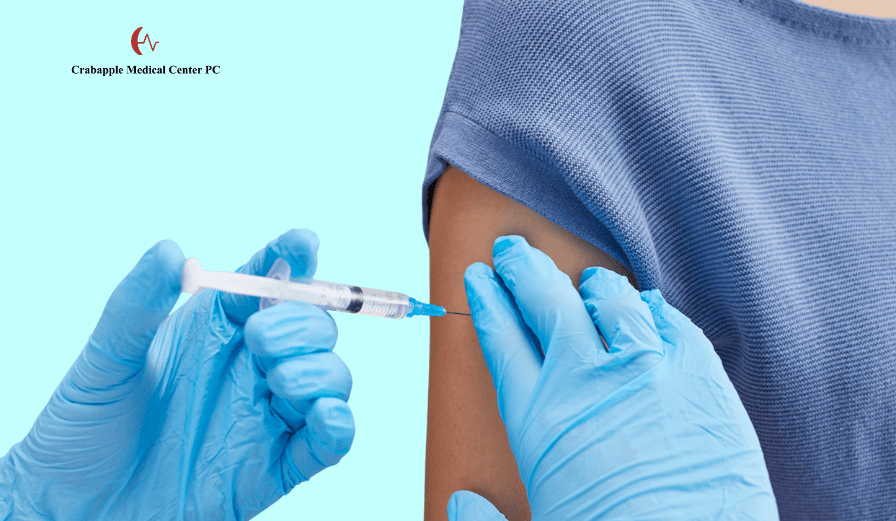
Many people associate vaccines with childhood, believing immunizations are only necessary during early development. While childhood vaccines form a critical foundation for lifelong health, immunizations remain just as important throughout adulthood. As the body ages, immunity can weaken, health risks change, and new exposures emerge, making adult vaccinations an essential part of preventive care.
Adults face increased risks from illnesses such as influenza, pneumonia, shingles, hepatitis, and whooping cough. These infections can lead to serious complications, hospitalizations, and long recovery periods, especially for individuals with chronic conditions or weakened immune systems. Staying up to date with recommended vaccines helps reduce these risks and protects both individual and community health.
At Crabapple Medical Center, adult immunizations are a core component of comprehensive primary care. Through routine checkups, personalized vaccine schedules, and patient education, providers help adults stay protected at every stage of life.
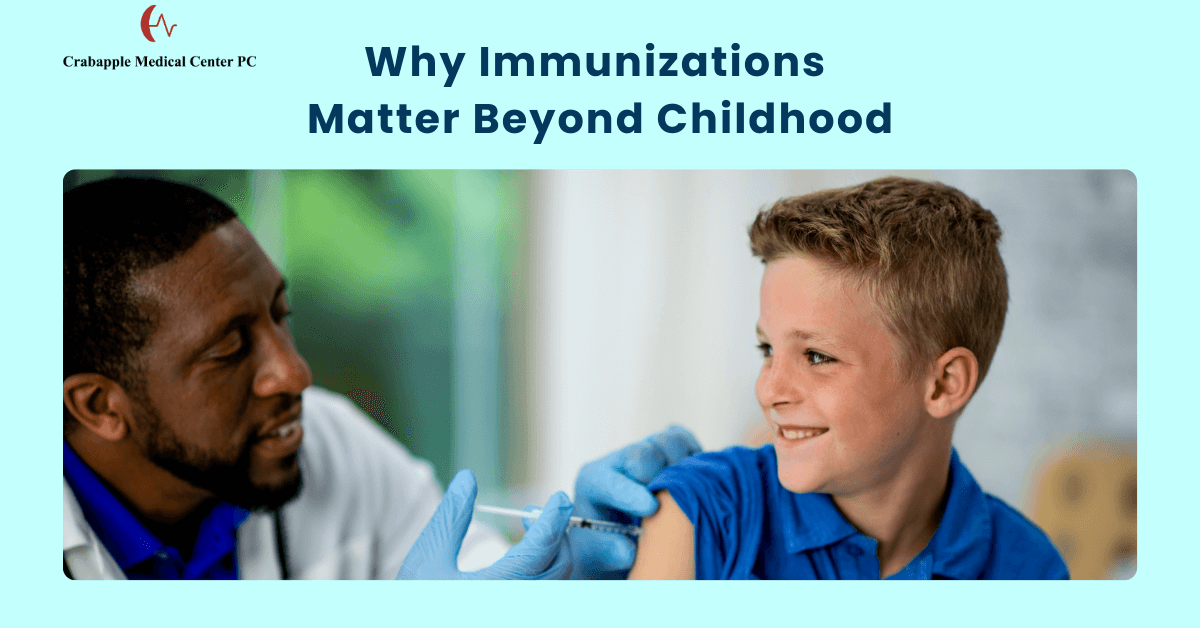
Why Immunizations Matter Beyond Childhood?
Vaccines work by stimulating the immune system to recognize and fight specific infections. While many childhood vaccines provide long-lasting protection, immunity can decline over time. In addition, adults may not have received certain vaccines that were not part of routine schedules decades ago.
Lifestyle changes also increase exposure risks. Travel, work environments, caregiving responsibilities, and chronic health conditions can all influence vaccine needs. Immunizations help prevent illnesses that can otherwise cause severe complications in adulthood.
Preventive vaccination reduces healthcare costs, missed workdays, and long-term health consequences. It is one of the most effective tools available in modern primary care.
How the Immune System Changes With Age
As adults age, the immune system naturally becomes less efficient. This process, known as immunosenescence, makes it harder for the body to fight infections and respond quickly to pathogens. Older adults are more likely to experience severe symptoms, complications, and longer recovery times from illnesses that younger individuals might tolerate more easily.
Vaccines help strengthen immune defenses by boosting the body’s ability to recognize and respond to infections. Regular immunizations are especially important for older adults, individuals with chronic illnesses, and those with weakened immune systems.
Primary care providers monitor immune health and recommend appropriate vaccines based on age and medical history.
Stay Protected With Adult Immunizations
Vaccines remain essential throughout adulthood. At Crabapple Medical Center, we offer recommended adult immunizations to help protect you from preventable illnesses and support long term health. Book your appointment today.
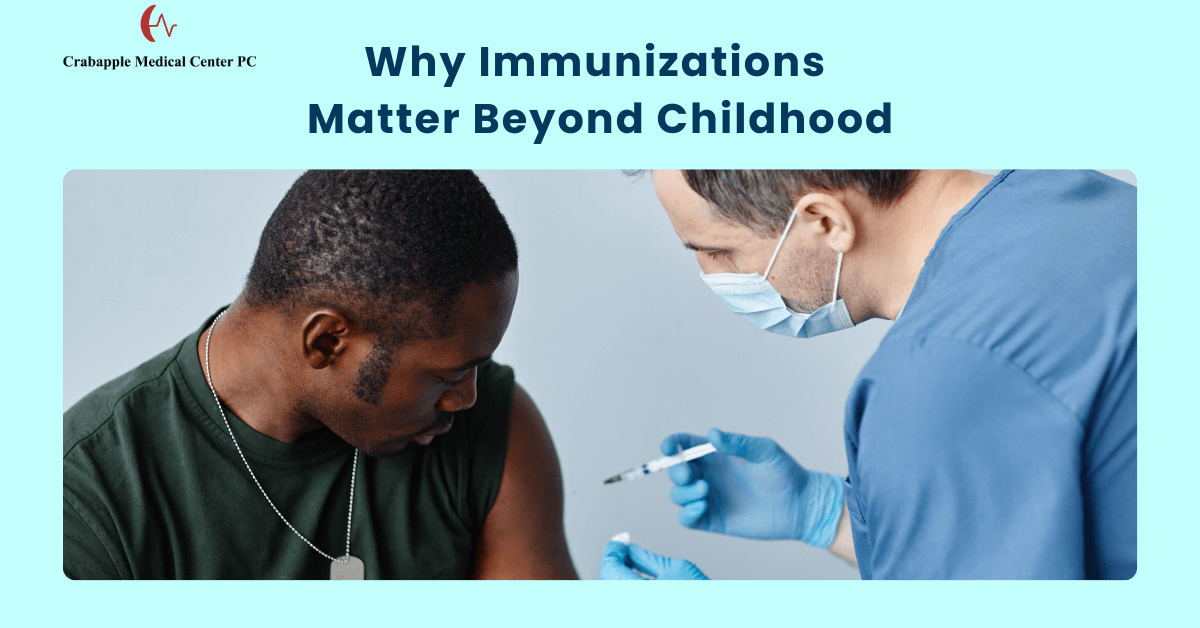
Common Misconceptions About Adult Vaccinations
Many adults delay or skip vaccinations due to misconceptions. Some believe vaccines are unnecessary if they feel healthy, while others worry about side effects or assume childhood vaccines provide lifelong protection.
In reality, many vaccines require boosters to maintain immunity. Feeling healthy does not eliminate the risk of infection or transmission to others. Vaccines are carefully tested for safety and effectiveness, and serious side effects are rare.
Primary care visits provide an opportunity to address concerns, review vaccine history, and clarify which immunizations are recommended.
Recommended Vaccines for Adults
Adult immunization schedules vary based on age, health status, lifestyle, and risk factors. Primary care providers tailor recommendations to each patient’s needs.
Influenza Vaccine
The flu vaccine is recommended annually for all adults. Influenza viruses change each year, so yearly vaccination is necessary to maintain protection. The flu can lead to severe complications, especially for older adults and those with chronic conditions.
Annual flu shots reduce the risk of illness, hospitalization, and flu-related complications.
Tetanus, Diphtheria, and Pertussis Vaccine
Adults should receive a tetanus and diphtheria booster every ten years. At least one dose should include protection against pertussis, also known as whooping cough.
Whooping cough can be particularly dangerous for infants, making adult vaccination important for community protection.
Shingles Vaccine
Shingles is caused by reactivation of the chickenpox virus and becomes more common with age. The shingles vaccine is recommended for adults over fifty and significantly reduces the risk of painful outbreaks and long-term nerve pain.
Pneumococcal Vaccines
Pneumococcal infections can cause pneumonia, bloodstream infections, and meningitis. Adults over sixty five and those with certain health conditions may benefit from pneumococcal vaccination.
Primary care providers determine timing and type based on individual risk.
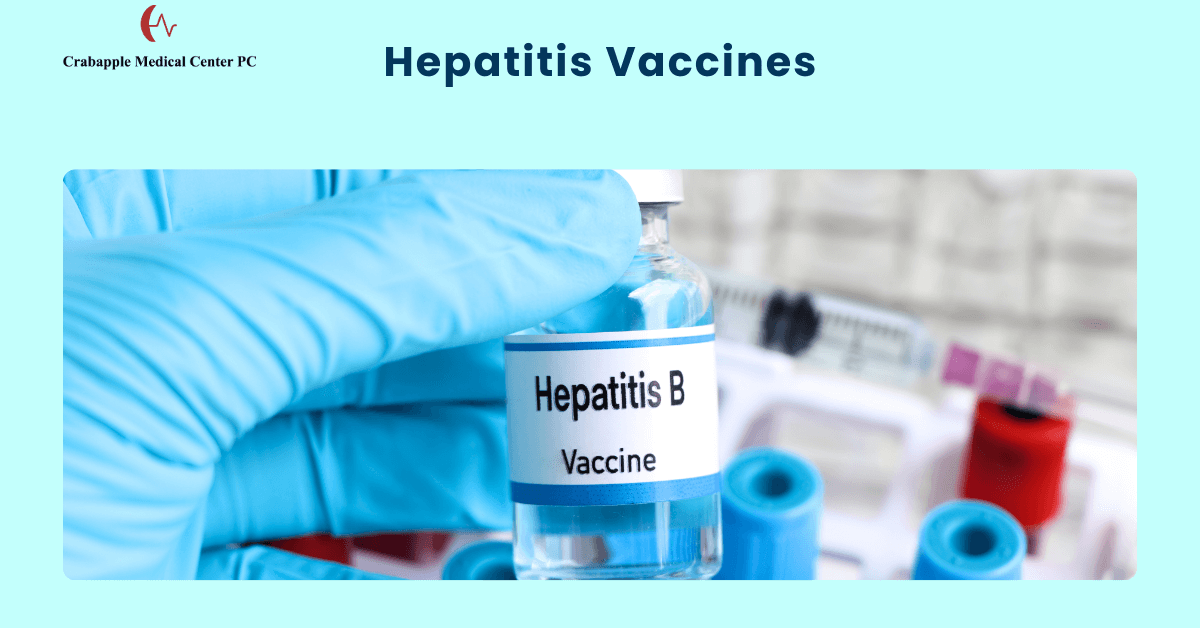
Hepatitis Vaccines
Hepatitis A and B vaccines protect against viral infections that affect the liver. Adults may need these vaccines due to travel, work exposure, medical conditions, or lifestyle factors.
Vaccination prevents chronic liver disease and serious complications.
Choose Preventive Care With Crabapple Medical Center
Our team ensures your immunizations are up to date based on your age, lifestyle, and health history. Preventive care plays a key role in staying healthy at every stage of life. Contact us today to schedule your visit.
Immunizations for Adults With Chronic Conditions
Chronic conditions such as diabetes, heart disease, lung disease, and immune disorders increase the risk of severe illness from infections. Vaccinations play a critical role in protecting these individuals.
Primary care providers at Crabapple Medical Center assess health history and recommend vaccines that reduce complications and support overall disease management.
Travel and Occupational Vaccines
Travel and certain occupations increase exposure to specific infections. Healthcare workers, caregivers, educators, and travelers may require additional immunizations.
Travel vaccines protect against region-specific diseases and ensure safe international travel. Occupational vaccines reduce the risk of workplace exposure and protect vulnerable populations.
Primary care consultations help identify necessary vaccines before travel or job changes.
Role of Preventive Primary Care in Immunizations
Primary care serves as the foundation for preventive health, including immunizations. Routine visits allow providers to review vaccination history, identify gaps, and update schedules as needed.
At Crabapple Medical Center, immunizations are integrated into comprehensive care plans that address overall wellness, chronic disease prevention, and long-term health goals.
Preventive care reduces the burden of illness and supports healthier communities.
Safety and Effectiveness of Adult Vaccines
Vaccines undergo rigorous testing and ongoing monitoring to ensure safety and effectiveness. Side effects are typically mild and temporary, such as soreness at the injection site or low-grade fever.
Serious adverse reactions are rare, and the benefits of vaccination far outweigh potential risks. Primary care providers review medical history to ensure vaccines are appropriate and safe for each patient.
Open communication helps address concerns and build confidence in vaccination decisions.
Staying Up to Date With Your Immunization Schedule
Keeping track of immunizations can be challenging, especially when records span many years. Primary care providers maintain updated records and help patients stay on schedule.
Electronic health records and routine checkups ensure vaccines are not missed and boosters are administered on time.
Patients are encouraged to discuss vaccine history during annual visits.
Immunizations and Community Health
Vaccination protects not only individuals but also the broader community. High vaccination rates reduce the spread of infectious diseases and protect vulnerable populations who cannot be vaccinated due to medical conditions.
Community immunity helps prevent outbreaks and protects infants, older adults, and those with weakened immune systems.
By staying up to date, adults contribute to public health and community safety.
Addressing Vaccine Hesitancy
Vaccine hesitancy is common and often stems from misinformation or fear. Primary care providers play a vital role in addressing concerns through education and evidence-based guidance.
Patients are encouraged to ask questions and discuss their concerns openly. Trusted medical guidance helps individuals make informed decisions about their health.
At Crabapple Medical Center, patient education and shared decision-making are priorities.
Immunizations as Part of Lifelong Wellness
Vaccines support lifelong wellness by preventing illness, reducing complications, and maintaining independence as individuals age. Preventive care through immunization allows adults to stay active, productive, and engaged in daily life.
Integrating vaccines into routine primary care supports long-term health and quality of life.
Adult Immunization Services at Crabapple Medical Center
Crabapple Medical Center offers comprehensive immunization services as part of its primary care approach. Patients benefit from personalized vaccine assessments, convenient scheduling, and expert guidance.
Services include:
- Adult vaccine reviews and updates
- Preventive care consultations
- Chronic disease focused immunization planning
- Travel and occupational vaccine guidance
The goal is to provide accessible, patient-centered care that supports lifelong health.
Taking Control of Your Preventive Health
Staying protected beyond childhood begins with awareness and action. Adult immunizations are a simple yet powerful way to safeguard health and prevent serious illness.
Routine primary care visits provide the opportunity to review vaccine needs and take proactive steps toward wellness.
Stay Protected with Preventive Care and Immunizations
Your health deserves ongoing protection at every stage of life. At Crabapple Medical Center, our primary care team is committed to helping adults stay up to date with immunizations and preventive care.
Schedule an appointment today to review your immunization status and take the next step toward long-term health and protection.
Frequently Asked Questions
Do adults need vaccines if they were vaccinated as children?
Yes. Immunity from some vaccines can decrease over time, and certain vaccines—such as shingles, HPV, and newer pneumococcal vaccines—were introduced after many adults completed childhood immunizations. Staying up to date helps protect against preventable diseases throughout adulthood.
How often should adults receive the flu vaccine?
Adults should get a flu vaccine every year. Influenza viruses change annually, and yearly vaccination helps ensure optimal protection for you and those around you.
Are vaccines safe for older adults?
Yes. Vaccines are safe for older adults and are especially important because aging increases susceptibility to infections and complications. Vaccines such as flu, pneumococcal, shingles, and COVID-19 boosters are recommended for older adults.
Can vaccines cause the disease they are meant to prevent?
No. Vaccines do not cause the illnesses they protect against. They work by safely stimulating the immune system to build protection without causing disease.
What if I don’t remember my vaccination history?
Your primary care provider can review available medical records, perform blood tests if needed, and recommend vaccines based on your age, health status, and risk factors.