

Pap smear tests are a cornerstone of women’s preventive healthcare, providing a reliable and essential method for detecting cervical cancer and other cervical abnormalities in their earliest stages. These screenings are particularly valuable because cervical cancer often develops slowly and may not produce symptoms until it has progressed.
At Crabapple Medical Center in Alpharetta, GA, we prioritize patient-centered care, ensuring that each woman receives screenings tailored to her age, medical history, and individual risk factors. Our goal is to empower women with knowledge, early detection strategies, and peace of mind regarding their reproductive health.
This comprehensive guide explores the importance of Pap smears, current guidelines on how often women should be tested, preparation tips for the procedure, what to expect during and after the test, and ways to maintain optimal cervical health.
What is a Pap Smear?
A Pap smear, also known as a Pap test, is a simple, quick, and generally low-risk procedure used to detect abnormal cells on the cervix (the lower, narrow end of the uterus that connects to the vagina).
The primary purpose of a Pap smear is early detection. Identifying abnormal cells at an early stage allows for interventions that can prevent progression to cervical cancer. Beyond cancer detection, Pap smears can also reveal infections, inflammation, or changes associated with human papillomavirus (HPV), which is the leading cause of cervical cancer.
Because the procedure is preventative rather than diagnostic, it is recommended at regular intervals for women within certain age groups or with specific risk factors, even if they have no symptoms.

Why Pap Smears Are Important?
Pap smears are a critical part of women’s healthcare for multiple reasons:
- Early Detection of Cervical Cancer: Cervical cancer often develops silently over several years. Pap smears allow healthcare providers to identify abnormal cells before they transform into cancer, enabling timely treatment and significantly improving survival rates.
- Monitoring Reproductive Health: Regular testing helps track changes in cervical cells over time. Detecting shifts early can prevent complications and guide interventions that maintain reproductive health.
- Detection of HPV: High-risk strains of human papillomavirus (HPV) are the leading cause of cervical cancer. Pap smears, especially when combined with HPV testing, can identify these infections before they lead to serious cellular changes. Early detection allows for monitoring, treatment, or vaccination strategies that prevent progression.

- Peace of Mind: Routine screenings provide reassurance and reduce anxiety for women concerned about cervical health. Knowing that you are regularly monitored allows you to focus on overall wellness with confidence.
Pap Smear Test Guidelines by Age
The frequency of Pap smear screenings depends on a woman’s age, personal health history, and risk factors. Following recommended guidelines ensures early detection of cervical abnormalities and minimizes the risk of cervical cancer.
Women Aged 21–29
For women in their early twenties to late twenties:
- Pap smear every 3 years is generally recommended.
- HPV testing is usually not performed unless there is a clinical indication, such as abnormal Pap results or specific risk factors.
During this age range, cervical changes are often temporary and may resolve on their own. However, regular screenings help identify any persistent abnormalities that could lead to serious conditions later.
Women Aged 30–65
Women between 30 and 65 have several screening options:
- Pap smear every 3 years, or
- Co-testing (Pap smear + HPV test) every 5 years, which provides added protection by detecting high-risk HPV strains that are associated with cervical cancer.
Co-testing is preferred for women who want extended intervals between tests while maintaining thorough monitoring. The combination of Pap and HPV testing increases the chances of detecting precancerous changes early, allowing for timely treatment and reducing long-term cancer risk.
Women Over 65
For women over 65:
- Screening may be discontinued if they have had regular, normal results and no history of moderate to severe cervical abnormalities (CIN2 or higher-grade lesions).
- Women with a history of abnormal Pap smears or cervical cancer should continue regular monitoring based on their healthcare provider’s recommendations.
It is important to note that age alone is not the only factor; individualized risk assessment is essential to determine whether continued screening is necessary.
Special Considerations
Certain situations require personalized screening schedules:
- Immunocompromised women, such as those with HIV or those on long-term immunosuppressive therapy, may need more frequent Pap smears.
- Women with a history of cervical cancer or precancerous lesions require close follow-up and ongoing testing.
- Post-hysterectomy women may or may not need continued screening, depending on whether the cervix was removed and their medical history.
- Pregnant women can safely undergo Pap smears if indicated, though providers may adjust the timing for comfort and safety.
Preparation for a Pap Smear Test
Proper preparation is key to obtaining accurate results and ensuring a smooth experience during your Pap smear. Follow these guidelines:
- Schedule Wisely: Avoid scheduling the test during menstruation, as blood can interfere with cell analysis. The ideal time is mid-cycle, when cervical cells are most clearly visible.
- Avoid Vaginal Products: Refrain from using douches, vaginal creams, spermicides, or medications for at least 48 hours before the test, as these can affect the accuracy of results.
- Limit Sexual Activity: Abstain from sexual intercourse for 24–48 hours prior to your appointment to reduce the risk of temporary cervical changes.
- Bring Your Medical History: Bring records of previous Pap smears, HPV test results, and any relevant reproductive or medical history. This allows your provider to compare past and current results for a more comprehensive evaluation.
By following these steps, you help ensure that your Pap smear provides the most reliable information about your cervical health.
Protect Your Cervical Health
Stay proactive about your reproductive health by keeping up with regular screenings and HPV prevention. At Crabapple Medical Center in Alpharetta, GA, our team works with you to create personalized Pap smear schedules, answer your questions, and provide comprehensive preventive care.
What to Expect During the Pap Smear Test
Understanding the procedure can reduce anxiety and make the experience more comfortable:
- Positioning: You will lie on an exam table with feet placed in stirrups, which provides your provider with access to the cervix.
- Speculum Insertion: A small, smooth instrument called a speculum gently opens the vaginal walls to allow visualization of the cervix. This may cause mild pressure but is generally not painful.
- Cell Collection: Your provider uses a soft brush or spatula to collect cells from the cervix. The process is quick, typically lasting only a few seconds.
- Duration: The entire procedure usually takes 5–10 minutes and is minimally uncomfortable for most patients.
- After the Test: Some women may experience light spotting or mild cramping, which usually resolves quickly. Avoid inserting anything into the vagina for 24 hours post-test to reduce irritation.
Results are generally available within 1–2 weeks, and your provider will contact you to discuss any necessary follow-up.
Interpreting Pap Smear Results
Pap smear results provide important information about cervical health and may fall into the following categories:
- Normal: No abnormal cells are detected, and routine screening continues as recommended.
- Atypical or Abnormal: Some cells appear unusual, which may indicate precancerous changes, infection, or inflammation. Further evaluation, such as a repeat Pap smear or colposcopy, may be required.
- HPV Positive: Detection of high-risk human papillomavirus (HPV) strains signals an increased risk of cervical cancer. Your provider may recommend closer monitoring, additional testing, or preventive interventions, including HPV vaccination if appropriate.
Tips for Maintaining Cervical Health
Maintaining cervical health goes beyond regular Pap smears. Adopting preventive measures and healthy lifestyle habits can significantly reduce the risk of cervical abnormalities and support overall reproductive well-being.
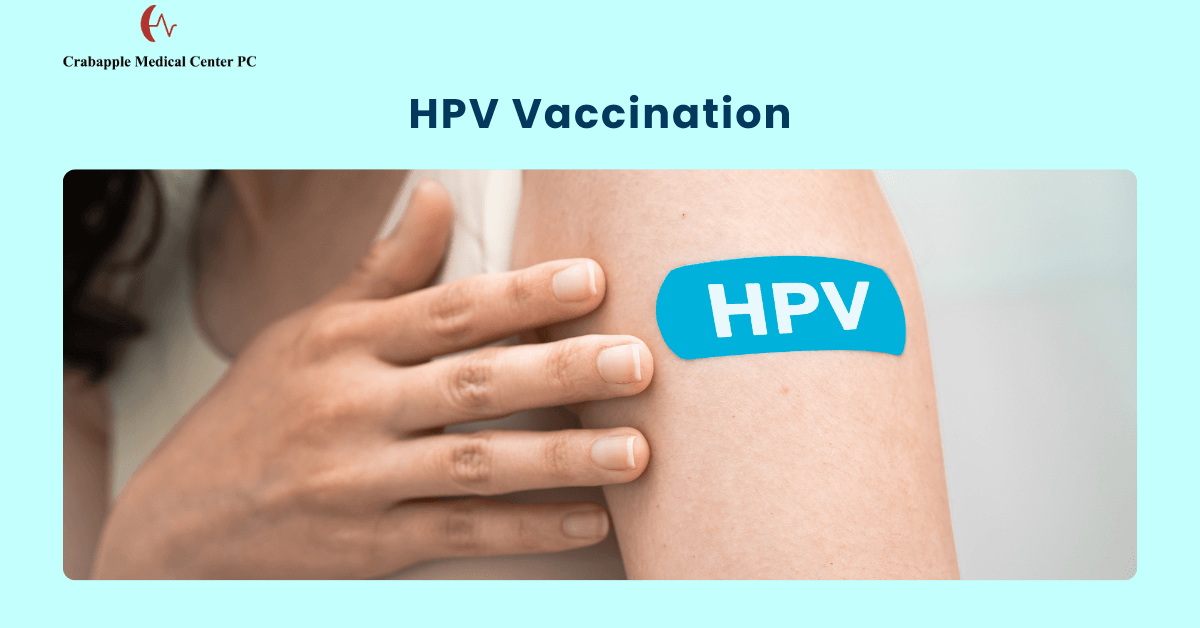
- HPV Vaccination: The human papillomavirus (HPV) is the leading cause of cervical cancer. Vaccination protects against high-risk HPV strains and is recommended for preteens, young adults, and, in certain cases, older individuals.
- Safe Sexual Practices: Practicing safe sex helps reduce exposure to HPV and other sexually transmitted infections (STIs). Regular STI screenings can also support cervical health.
- Regular Screenings: Adhering to recommended Pap smear schedules is critical. Timely screenings enable early detection of abnormal cells or HPV infections, increasing the chances of successful intervention. Even if you feel healthy, routine testing is essential.
- Healthy Lifestyle Choices: Maintain a balanced diet rich in fruits, vegetables, and whole grains, engage in regular physical activity, manage stress, and avoid smoking and excessive alcohol consumption. These habits can support your body’s ability to fight infections and reduce the risk of abnormal cervical changes.
- Open Communication with Your Provider: Discuss any symptoms such as unusual bleeding, pelvic pain, or changes in discharge with your healthcare provider promptly. Early evaluation can help identify potential issues before they develop into more serious conditions.
How Crabapple Medical Center Supports Cervical Health?
At Crabapple Medical Center in Alpharetta, GA, we prioritize women’s reproductive health through comprehensive preventive care and patient-centered services. Our approach includes:
- Comprehensive Pap Smear and HPV Testing: We perform accurate, up-to-date screenings, including co-testing for women over 30, to detect cervical abnormalities and high-risk HPV strains.
- Personalized Screening Plans: Each patient receives a screening schedule tailored to her age, medical history, and risk factors, ensuring timely and effective preventive care.
- Education and Counselling: Our providers educate patients on cervical health, HPV vaccination, safe sexual practices, and lifestyle modifications to reduce risk.
- Follow-Up and Care Coordination: If abnormal results are detected, we provide clear guidance on next steps, including colposcopy, biopsy, or referral to specialists, ensuring continuity of care.
- Supportive Environment: Our compassionate team helps patients feel comfortable, informed, and empowered throughout the screening process.
By combining clinical expertise with personalized attention, Crabapple Medical Center ensures that women in Alpharetta and surrounding areas receive the highest standard of cervical healthcare.
Prioritize Your Cervical Health Today
Regular Pap smears are a critical step in preventing cervical cancer and maintaining overall reproductive wellness. Early detection allows for timely interventions, peace of mind, and better long-term outcomes.
Schedule your next Pap smear at Crabapple Medical Center in Alpharetta, GA, and take a proactive step toward a healthier future. Your reproductive health is worth it, and our team is here to support you every step of the way.
Schedule Your Pap Smear Today
Take a proactive step in safeguarding your reproductive health. At Crabapple Medical Center, our experienced team provides thorough, comfortable Pap smear screenings tailored to your individual needs. Early detection is key to preventing cervical abnormalities and maintaining peace of mind.
Frequently Asked Questions
How Often Should I Get a Pap Smear?
For women aged 21–29, a Pap smear every 3 years is recommended. Women aged 30–65 can have a Pap smear every 3 years or co-testing with HPV every 5 years. Your provider may adjust this based on your medical history or risk factors.
Can I Get a Pap Smear During My Period?
It’s best to schedule the test when you are not menstruating, as blood can interfere with accurate results. Mid-cycle appointments are usually ideal.
Do I Need To do Anything to Prepare For My Pap Smear?
Yes. Avoid douching, vaginal creams, spermicides, and sexual activity for 24–48 hours before your appointment. Bring any previous Pap results and relevant medical records to help your provider compare results.
What Happens if My Pap Smear Results are Abnormal?
Abnormal results do not always mean cancer. Your provider may recommend a repeat Pap smear, HPV testing, colposcopy, or biopsy to further evaluate your cervical health. Early detection allows for effective treatment and better outcomes.
Can Pregnant Women Have a Pap Smear?
Yes. Pap smears are generally safe during pregnancy, though your provider may adjust timing for comfort and safety.