

Heart disease remains one of the leading causes of illness and death worldwide, yet many people assume it is a concern that only develops later in life. In reality, cardiovascular health begins much earlier than most realize. Risk factors for heart disease often develop silently over years or even decades, long before symptoms appear. Poor lifestyle habits, unmanaged medical conditions, and delayed preventive care can gradually place strain on the heart and blood vessels, increasing the likelihood of serious cardiovascular events later in life.
At Crabapple Medical Center PC in Alpharetta, GA, we emphasize the importance of early, consistent primary care as a foundation for lifelong heart health. By identifying risk factors early, providing personalized guidance, and monitoring cardiovascular markers over time, primary care providers help patients reduce their risk and protect their long-term well-being.
This comprehensive guide explores how heart health starts early, the key risk factors that impact cardiovascular health, and how primary care plays a critical role in prevention at every stage of life.
Why Should Heart Health Start Early?
Cardiovascular disease does not develop overnight. Conditions such as high blood pressure, high cholesterol, and insulin resistance often begin subtly, with little to no symptoms. Over time, these factors damage blood vessels, strain the heart, and increase the risk of heart attacks, strokes, and heart failure.
Starting heart-healthy habits early helps slow or prevent this progression. Regular primary care visits allow providers to identify risks before they escalate, offering opportunities for lifestyle modifications and medical interventions that can dramatically improve outcomes.
Early prevention is not just about avoiding disease; it is about maintaining energy, mobility, and quality of life well into older adulthood.
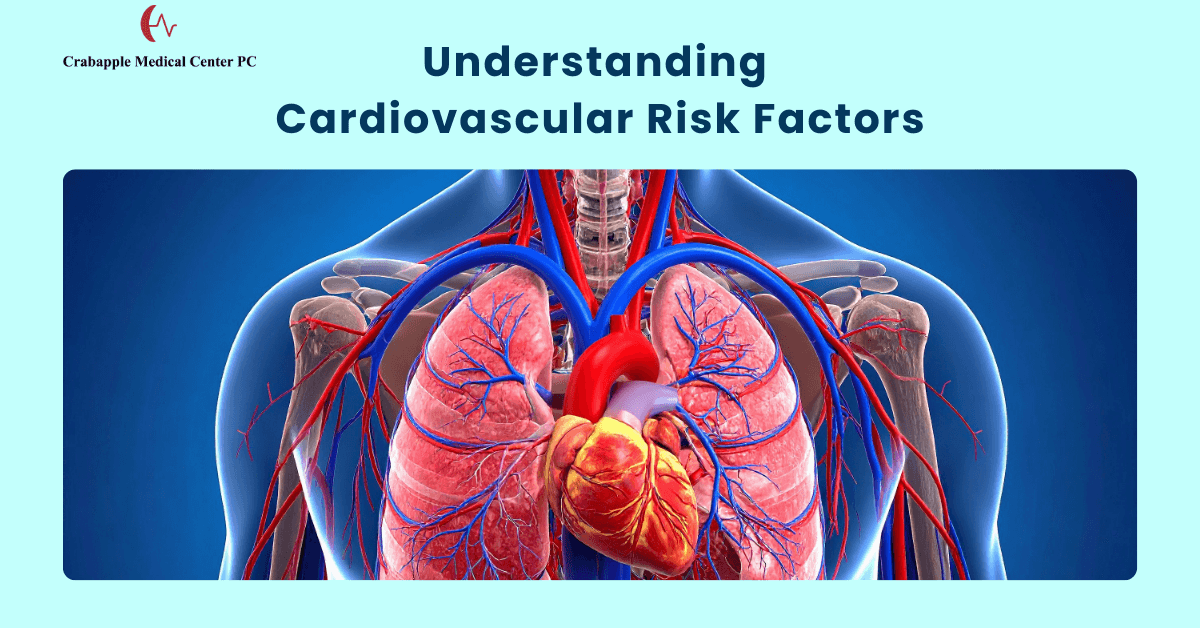
Understanding Cardiovascular Risk Factors
Cardiovascular risk factors can be divided into two broad categories: modifiable and non-modifiable. Understanding both helps patients and providers create effective prevention strategies.
Non-modifiable risk factors include age, genetics, and family history. While these factors cannot be changed, their impact can be reduced through proactive care. Modifiable risk factors include diet, physical activity, smoking, stress, weight, blood pressure, cholesterol levels, and blood sugar control. These are areas where primary care guidance can make a significant difference.
By addressing modifiable risks early, individuals can counterbalance inherited or age-related vulnerabilities and significantly lower their cardiovascular risk.
Protect Your Heart With Preventive Primary Care
Heart health begins with early awareness and consistent care. At Crabapple Medical Center, we help patients manage blood pressure, cholesterol, and lifestyle factors to reduce cardiovascular risk and support lifelong heart health. Schedule your appointment today to start protecting your heart

Role of Primary Care in Heart Health
Primary care serves as the cornerstone of cardiovascular prevention. Through routine exams, screenings, and personalized counseling, primary care providers monitor key indicators of heart health over time.
Rather than focusing solely on treatment after disease develops, primary care emphasizes prevention, education, and early intervention. Providers assess lifestyle habits, evaluate family history, and track changes in blood pressure, cholesterol, and glucose levels to identify trends that may signal increased risk.
This ongoing relationship allows for timely adjustments to care plans and ensures that patients receive consistent support in maintaining heart health.
Blood Pressure Management and Early Detection
High blood pressure is one of the most significant contributors to heart disease, yet it often presents without symptoms. Many individuals are unaware they have hypertension until complications arise.
Routine blood pressure measurements during primary care visits allow for early detection and management. Even slightly elevated readings can signal the need for lifestyle changes or closer monitoring.
Effective blood pressure control reduces strain on the heart and arteries, lowering the risk of heart attacks, strokes, and kidney disease.
Cholesterol and Its Impact on the Heart
Cholesterol plays a crucial role in cardiovascular health. Elevated LDL cholesterol contributes to plaque buildup in the arteries, restricting blood flow and increasing the risk of heart disease.
Primary care providers monitor cholesterol levels through regular blood tests and assess overall cardiovascular risk based on individual factors. Early identification allows patients to address cholesterol concerns through dietary changes, physical activity, and medication when necessary.
Maintaining healthy cholesterol levels over time significantly reduces the risk of cardiovascular events.
Blood Sugar Control and Heart Health
Diabetes and insulin resistance are closely linked to cardiovascular disease. Elevated blood sugar damages blood vessels and accelerates plaque formation, increasing the likelihood of heart attacks and strokes.
Primary care screenings for blood glucose and HbA1c help identify early signs of blood sugar imbalance. Managing blood sugar through lifestyle changes and medical care not only supports metabolic health but also protects the heart.
Early intervention is particularly important, as cardiovascular risk increases significantly in individuals with diabetes.
Nutrition as a Foundation for Cardiovascular Health
Diet plays a central role in heart health from an early age. Poor dietary habits contribute to obesity, high cholesterol, and hypertension, all of which increase cardiovascular risk.
Primary care providers offer nutritional guidance tailored to individual needs and health goals. Emphasizing whole foods, lean proteins, healthy fats, and fiber-rich carbohydrates supports heart health while reducing inflammation and plaque buildup.
Small, sustainable dietary changes can have a powerful impact when implemented early and maintained over time.
Importance of Physical Activity
Regular physical activity strengthens the heart, improves circulation, and supports healthy blood pressure and cholesterol levels. Sedentary lifestyles, on the other hand, increase cardiovascular risk even in individuals without other risk factors.
Primary care providers encourage patients to incorporate movement into their daily routines in ways that are realistic and enjoyable. Consistent moderate-intensity exercise supports long-term heart health and enhances overall well-being.
Weight Management and Cardiovascular Risk
Excess weight places additional strain on the heart and contributes to conditions such as hypertension, diabetes, and high cholesterol. Maintaining a healthy weight through balanced nutrition and regular activity reduces cardiovascular risk.
Primary care offers structured weight management support, helping patients set realistic goals and develop sustainable habits. Early weight management is particularly effective in preventing the development of long-term heart disease.
Stress, Mental Health, and the Heart
Chronic stress has a measurable impact on cardiovascular health. Elevated stress hormones increase blood pressure, promote inflammation, and contribute to unhealthy coping behaviors.
Primary care providers address stress and mental health as integral components of heart health. Through counseling, lifestyle recommendations, and referrals when needed, patients receive support in managing stress effectively.
Reducing chronic stress supports both emotional well-being and cardiovascular function.
Sleep and Its Role in Cardiovascular Health
Quality sleep is essential for heart health. Poor sleep patterns are associated with increased blood pressure, weight gain, and metabolic dysfunction.
Primary care visits provide an opportunity to discuss sleep habits and address conditions such as sleep apnea, which significantly increases cardiovascular risk if left untreated.
Supporting healthy sleep contributes to overall cardiovascular resilience.
Choose Crabapple Medical Center for Long Term Heart Wellness
Our primary care team focuses on prevention, early intervention, and personalized heart health strategies. From routine screenings to lifestyle guidance, we support your cardiovascular health at every stage. Contact us today to book your appointment and take a proactive step toward heart wellness.
Preventive Screenings and Early Intervention
Preventive screenings are a cornerstone of cardiovascular risk reduction. These include blood pressure checks, cholesterol panels, blood sugar testing, and assessments of lifestyle risk factors.
Primary care providers recommend screenings based on age, family history, and individual risk profiles. Early detection allows for interventions that prevent disease progression and reduce the likelihood of serious events.
Heart Health Across Different Life Stages
Heart health needs evolve over time. Younger adults benefit from establishing healthy habits and identifying early risk factors. Middle-aged adults often focus on managing emerging conditions, while older adults prioritize monitoring and maintaining cardiovascular stability.
Primary care adapts prevention strategies to each life stage, ensuring continuity of care and appropriate interventions as needs change.
Heart Health Services at Crabapple Medical Center PC
At Crabapple Medical Center PC in Alpharetta, GA, we take a proactive approach to cardiovascular health. Our primary care services focus on early detection, risk assessment, and personalized prevention strategies.
Patients benefit from:
- Comprehensive cardiovascular screenings
- Blood pressure and cholesterol management
- Diabetes prevention and management
- Weight management and lifestyle counseling
- Coordinated care for chronic conditions
Our goal is to help patients reduce cardiovascular risk and maintain heart health throughout their lives.
The Long-Term Benefits of Early Heart Health Care
Prioritizing heart health early leads to better outcomes, fewer complications, and a higher quality of life. Preventive care reduces the need for invasive treatments and supports long-term independence and vitality.
Primary care serves as a trusted partner in this journey, providing guidance, monitoring, and support every step of the way.
Take Control of Your Heart Health Today
Heart health is not just a concern for the future; it is shaped by the choices you make today. Regular primary care visits provide the tools and knowledge needed to reduce cardiovascular risk and protect your well-being.
At Crabapple Medical Center PC, we are committed to helping patients build a strong foundation for lifelong heart health. Schedule your visit today and take an important step toward a healthier heart.
Preventive Cardiac Care Focused on Your Long-Term Health
Your heart deserves proactive care at every stage of life. With personalized screenings, lifestyle guidance, and ongoing support, our team is here to help you reduce cardiovascular risk and stay healthy. Contact Crabapple Medical Center PC to book your appointment and invest in your heart health.
Frequently Asked Questions
When should I start focusing on heart health?
Heart health should be a priority beginning in early adulthood. Many cardiovascular risk factors develop gradually without symptoms, so early prevention and routine monitoring lead to better long-term outcomes.
How often should my heart health be evaluated?
Most adults should have their heart health reviewed during annual primary care visits. Individuals with conditions such as high blood pressure, diabetes, high cholesterol, or a family history of heart disease may need more frequent evaluations.
Can lifestyle changes truly reduce the risk of heart disease?
Yes. Consistent healthy habits, including balanced nutrition, regular physical activity, stress management, and adequate sleep, can significantly lower the risk of cardiovascular disease.
What role does primary care play in preventing heart disease?
Primary care providers monitor key risk factors, recommend appropriate screenings, provide lifestyle guidance, and help manage chronic conditions that impact heart health.