
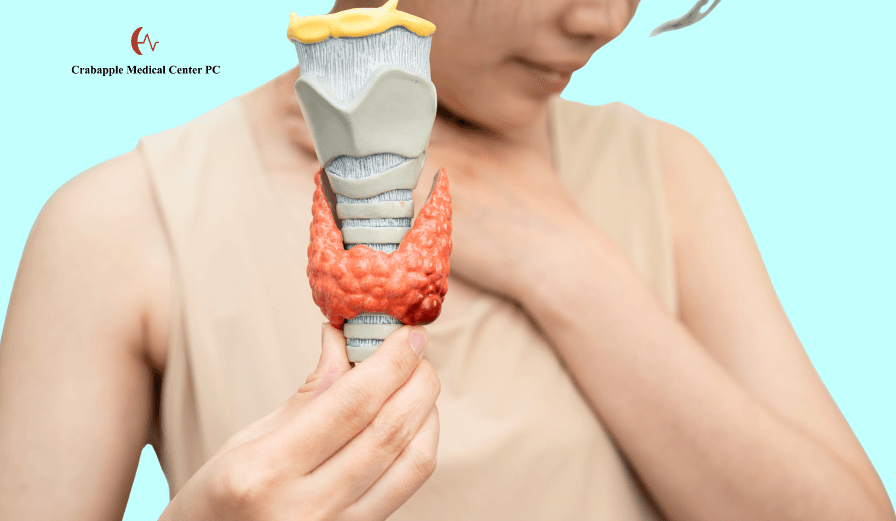
The thyroid is a small, butterfly-shaped gland located at the base of the neck, yet it plays a crucial role in regulating metabolism, energy levels, and overall hormonal balance. When the thyroid does not function properly, it can lead to a range of disorders that impact nearly every system in the body.
At Crabapple Medical Center in Alpharetta, GA, we provide comprehensive thyroid care, including evaluation, diagnosis, treatment, and ongoing monitoring to help patients maintain optimal health.
This article explains common thyroid disorders, their symptoms, risk factors, diagnostic approaches, treatment strategies, lifestyle management, and when to seek primary care support.
Understanding Thyroid Function
The thyroid gland produces hormones, mainly thyroxine (T4) and triiodothyronine (T3), which regulate metabolism, heart rate, body temperature, and energy production. The pituitary gland in the brain controls thyroid function by releasing thyroid-stimulating hormone (TSH).
Balanced thyroid function is essential for:
- Healthy metabolism and weight management
- Cardiovascular health and energy regulation
- Brain function, mood stability, and cognitive health
- Growth and development, particularly in children
Disruption in thyroid hormone levels either too high or too low can significantly affect overall health and quality of life.
Common Thyroid Disorders
Thyroid disorders can range from mild dysfunction to serious medical conditions, each impacting metabolism, energy, and overall health differently. Understanding the symptoms, causes, and potential complications of each disorder is crucial for early detection and effective management.
1. Hypothyroidism (Underactive Thyroid)
Hypothyroidism occurs when the thyroid gland does not produce enough hormones, slowing down metabolism and affecting nearly every system in the body.
Symptoms of Hypothyroidism:
- Fatigue and persistent weakness that doesn’t improve with rest
- Unexplained weight gain despite no changes in diet or activity
- Cold intolerance or feeling unusually cold
- Dry, coarse skin and thinning hair or hair loss
- Constipation or slowed digestion
- Depression, low mood, or memory issues
- Swelling in the face, hands, or feet in severe cases
- Brittle nails and slow-healing wounds
Causes of Hypothyroidism:
- Autoimmune conditions : Hashimoto’s thyroiditis is the most common cause, where the immune system attacks the thyroid.
- Iodine imbalance : Both deficiency and excessive iodine intake can impair thyroid function.
- Medications or radiation therapy : Certain medications, such as lithium or amiodarone, and radiation therapy to the neck or chest may affect thyroid hormone production.
- Congenital or surgical factors : Some individuals are born with underactive thyroid (congenital hypothyroidism), or thyroid removal surgery may lead to hormone deficiency.
Complications if untreated:
- Goiter development due to TSH overstimulation
- Infertility and menstrual irregularities
- Heart problems, including bradycardia and elevated cholesterol
- Severe hypothyroidism (myxedema) can be life-threatening
2. Hyperthyroidism (Overactive Thyroid)
Hyperthyroidism occurs when the thyroid produces excess hormones, accelerating metabolism and affecting multiple body systems.
Symptoms of Hyperthyroidism:
- Unintentional weight loss despite normal or increased appetite
- Rapid or irregular heartbeat (palpitations)
- Anxiety, irritability, nervousness, or mood swings
- Tremors or muscle weakness, particularly in the hands
- Heat intolerance and excessive sweating
- Sleep disturbances or insomnia
- Increased bowel movements or diarrhea
- Thin, brittle hair and thinning skin
Causes of Hyperthyroidism:
- Autoimmune disorders: Graves’ disease is the most common cause, where the immune system overstimulates the thyroid.
- Thyroid nodules: Benign nodules may produce excess thyroid hormones independently.
- Thyroid inflammation (thyroiditis): Viral or autoimmune inflammation can temporarily increase hormone release.
- Excess iodine intake: Can occasionally trigger overproduction in susceptible individuals.
Potential Complications:
- Heart problems such as arrhythmias, atrial fibrillation, or high blood pressure
- Osteoporosis and bone fractures due to calcium loss
- Thyroid storm, a rare but life-threatening condition causing high fever, rapid heart rate, and confusion
3. Goiter and Thyroid Nodules
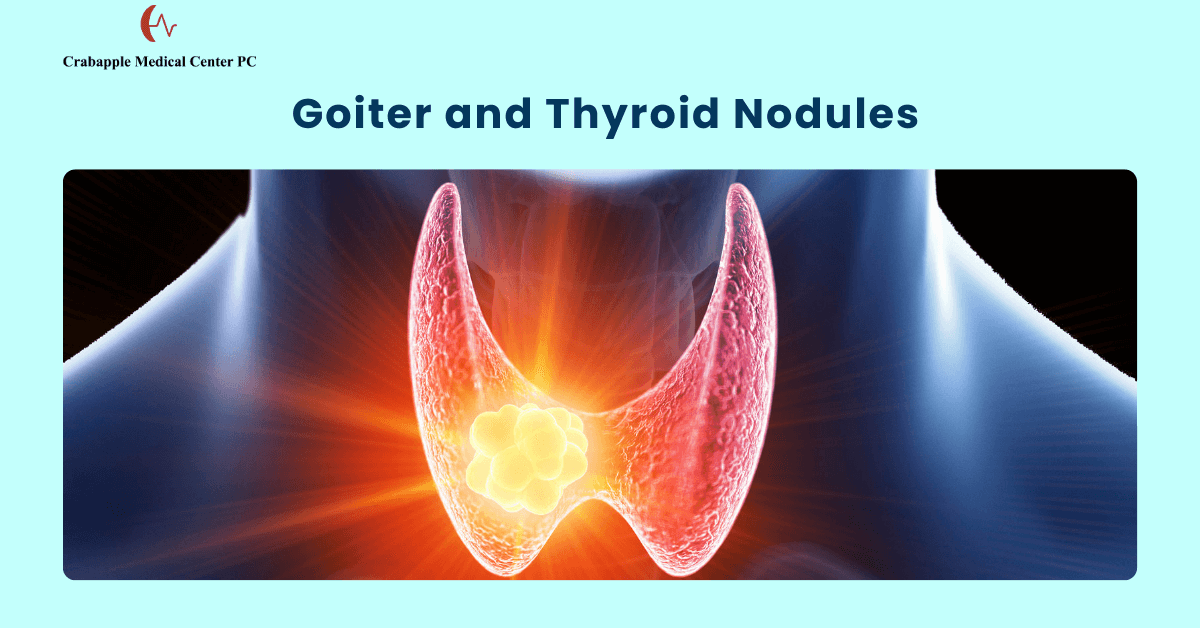
A goiter refers to an enlarged thyroid gland and can develop due to iodine deficiency, autoimmune disease, or thyroid nodules.
Thyroid Nodules:
- Small lumps within the thyroid, often benign
- Can sometimes produce excess hormones (toxic nodules)
- May cause a visible neck swelling or discomfort when swallowing
Evaluation:
- Ultrasound to assess size, shape, and characteristics of nodules
- Fine-needle aspiration biopsy for suspicious nodules to rule out cancer
- Blood tests to assess thyroid function
Symptoms:
- Visible swelling in the neck
- Feeling of tightness or pressure
- Difficulty swallowing or breathing in rare cases
Management:
- Observation for small, benign nodules
- Medication to regulate thyroid function if nodules affect hormone levels
- Surgery for large or symptomatic nodules
4. Thyroid Cancer
Thyroid cancer is less common but requires prompt diagnosis and management.
Signs and Symptoms:
- Persistent lump or nodule in the neck that grows over time
- Difficulty swallowing or a sensation of a lump in the throat
- Hoarseness or changes in voice
- Pain in the neck or throat in rare cases
Types of Thyroid Cancer:
- Papillary (most common, slow-growing)
- Follicular
- Medullary
- Anaplastic (rare and aggressive)
Diagnosis and Treatment:
- Ultrasound and fine-needle aspiration biopsy for evaluation
- Surgery (thyroidectomy) is typically the primary treatment
- Radioactive iodine therapy for certain types
- Long-term thyroid hormone replacement therapy
- Regular follow-up to monitor recurrence
Importance of Early Detection:
- Early-stage thyroid cancer has excellent treatment outcomes
- Routine check-ups and imaging for high-risk individuals can ensure timely intervention
Risk Factors for Thyroid Disorders
Several factors can increase the likelihood of developing thyroid disorders, making awareness and routine screening essential:
- Gender and Age : Women, especially over the age of 40, are more susceptible to thyroid dysfunction due to hormonal changes and autoimmune tendencies. Men can also develop thyroid disorders, but the prevalence is lower.
- Family History : A genetic predisposition significantly increases the risk. If thyroid disease runs in your family, early evaluation is recommended.
- Autoimmune Conditions : Individuals with autoimmune diseases such as Type 1 diabetes, rheumatoid arthritis, or lupus are at higher risk for thyroid dysfunction. Autoimmunity can directly target the thyroid, leading to hypo- or hyperthyroidism.
- Iodine Imbalance : Both insufficient and excessive iodine intake can disrupt normal thyroid hormone production. A balanced diet with adequate iodine is critical for thyroid health.
- Previous Radiation Exposure : Exposure to radiation, particularly in the head, neck, or chest area, can damage thyroid tissue and increase disease risk.
Early Detection Matters – Book Your Screening
Thyroid disorders can affect your metabolism, energy, and overall health. Early screening and proactive management at Crabapple Medical Center can help you stay ahead of potential complications.
Recognizing the Warning Signs of Thyroid Disorders
Thyroid disorders can develop gradually, and their symptoms often overlap with other health conditions, making early detection challenging. Understanding the warning signs of thyroid dysfunction can help patients seek timely medical evaluation and prevent long-term complications.
Key Symptoms to Watch For:
- Persistent Fatigue and Low Energy: Feeling unusually tired or weak even after adequate rest can indicate an underactive thyroid. Conversely, hyperthyroidism may cause restlessness yet lead to exhaustion over time.
- Unexplained Weight Changes: Sudden weight gain may suggest hypothyroidism, while unexpected weight loss could be a sign of hyperthyroidism, even if appetite and diet remain unchanged.
- Mood Disturbances : Thyroid imbalances can affect mental health, causing anxiety, irritability, depression, or sudden mood swings. Patients may notice changes in focus, memory, or motivation.
- Heart Palpitations and Tremors : Rapid or irregular heartbeat, fluttering sensations, or trembling hands are often associated with hyperthyroidism, signaling the need for cardiovascular evaluation.
- Neck Swelling or Lumps : Visible enlargement of the thyroid (goiter) or lumps may indicate nodules, cysts, or, in rare cases, thyroid cancer. Difficulty swallowing or discomfort in the neck warrants prompt medical assessment.
- Hair and Skin Changes : Dry, brittle hair, thinning hair, coarse skin, or changes in nail texture can result from either overactive or underactive thyroid function.
- Temperature Sensitivity : Feeling unusually cold may indicate hypothyroidism, while excessive heat intolerance or sweating can point to hyperthyroidism.
- Digestive Irregularities : Hypothyroidism can slow digestion, causing constipation, while hyperthyroidism may accelerate it, leading to diarrhea or more frequent bowel movements.
- Other Symptoms : Some patients may experience swelling in the hands or feet, muscle weakness, voice changes, or sleep disturbances depending on the type and severity of thyroid disorder.
When to Seek Primary Care Support?
Early intervention can prevent severe complications such as cardiovascular problems, infertility, metabolic imbalances, or growth issues in children. Seek primary care evaluation if you experience:
- Persistent fatigue, weakness, or lethargy
- Rapid or unexplained weight changes
- Mood disturbances, including anxiety or depression
- Palpitations, tremors, or irregular heartbeat
- Swelling, lumps, or discomfort in the neck area
- Temperature intolerance or sudden skin/hair changes
Primary care providers can assess symptoms, order diagnostic tests, and, if necessary, refer patients to endocrinologists or other specialists for advanced care. Timely evaluation ensures effective treatment and reduces the risk of complications.
Diagnostic Approaches
Effective diagnosis is critical for identifying thyroid disorders and determining appropriate treatment. Common diagnostic methods include:
- Blood Tests:
- TSH (Thyroid-Stimulating Hormone) to detect overall thyroid function
- Free T4 and Free T3 for hormone level assessment
- Thyroid antibodies to identify autoimmune causes
- Imaging Studies:
- Ultrasound to examine the structure of the thyroid gland and detect nodules
- Radioactive iodine scans to evaluate thyroid function and detect abnormal tissue
- Biopsy:
- Fine-needle aspiration biopsy is performed for suspicious nodules to rule out malignancy
Treatment Options for Thyroid Disorders
Treatment varies depending on the type and severity of the thyroid disorder.
Hypothyroidism (Underactive Thyroid)
- Daily synthetic thyroid hormone replacement (levothyroxine)
- Regular TSH monitoring to ensure appropriate dosage and maintain optimal hormone levels
Hyperthyroidism (Overactive Thyroid)
- Anti-thyroid medications such as methimazole to reduce hormone production
- Radioactive iodine therapy to decrease thyroid activity when medication is insufficient
- Surgical intervention in selected cases for patients with large goiters, nodules, or poor response to medications
Goiter and Thyroid Nodules
- Observation and monitoring for small, benign nodules
- Medication or surgical removal for symptomatic or suspicious nodules, especially if causing difficulty swallowing or breathing
Thyroid Cancer
- Surgical removal of part or all of the thyroid (thyroidectomy)
- Radioactive iodine therapy and long-term hormone replacement therapy post-surgery
- Ongoing monitoring to detect recurrence and ensure long-term health
The Role of Crabapple Medical Center
At Crabapple Medical Center in Alpharetta, GA, we provide:
- Comprehensive thyroid evaluation and lab testing
- Personalized treatment plans for hypo- and hyperthyroidism, nodules, and thyroid cancer
- Lifestyle guidance for diet, exercise, and stress management
- Ongoing monitoring and follow-ups to optimize hormone levels and overall wellness
Our mission is to empower patients with knowledge, tools, and support to manage thyroid health effectively.
Prioritize Your Thyroid Health Today
Thyroid disorders can impact metabolism, energy, mood, and overall health, but early detection and effective management make a significant difference. Through regular monitoring, lifestyle adjustments, and professional guidance, patients can maintain optimal thyroid function and prevent complications.
At Crabapple Medical Center in Alpharetta, GA, our team provides comprehensive thyroid care tailored to your needs. Take the first step toward a healthier future. Schedule your thyroid evaluation today and empower yourself to take control of your health.
Personalized Thyroid Care is Just a Call Away
Each patient’s thyroid health is unique. Connect with our expert team at Crabapple Medical Center to create a customized care plan tailored to your needs and lifestyle.
Frequently Asked Questions
Can Thyroid Disorders Affect My Energy Levels and Productivity?
Yes. Both underactive and overactive thyroid conditions can cause fatigue, brain fog, or difficulty concentrating. Early diagnosis and proper management help restore energy and daily functioning.
Can Diet Affect My Thyroid Condition?
Thyroid disorders can run in families. If you have a parent or sibling with thyroid disease, you may have an increased risk and should consider periodic screening.
How Long Does it Take to Feel Better After Starting Thyroid Medication?
For hypothyroidism, patients typically notice improved energy and symptom relief within 4–6 weeks of starting levothyroxine. Hyperthyroidism symptoms may improve within weeks with medication, though treatment duration varies based on severity and response.
Can Diet Affect My Thyroid Condition?
While no specific diet cures thyroid disorders, maintaining a balanced diet with adequate nutrients (iodine, selenium, and zinc) supports thyroid function. Certain foods or supplements may interfere with medications, so consult your provider for guidance.
Is It Safe To Exercise With A Thyroid Disorder?
Yes. Regular, moderate exercise is beneficial for thyroid patients. However, hyperthyroid patients may need to avoid high-intensity workouts until their hormone levels are controlled, and hypothyroid patients should gradually build endurance.