
Healthcare delivery has evolved significantly in recent years, with telemedicine emerging as a powerful tool in primary care. Virtual visits have transformed how patients access medical services, offering convenient, timely, and effective care without the need for in-person appointments in many situations. While telemedicine was once considered a supplemental option, it is now an integral part of modern primary care, helping patients manage acute concerns, chronic conditions, and preventive health needs more efficiently.
At Crabapple Medical Center PC in Alpharetta, GA, telemedicine is designed to complement traditional in-office visits, ensuring patients receive the right level of care at the right time. Understanding when virtual visits are appropriate and when in-person care is necessary helps patients make informed decisions and maximize the benefits of telehealth.
This comprehensive guide explores how telemedicine works in primary care, its advantages, limitations, and the situations where virtual visits are the ideal choice for maintaining continuity of care and overall health.
What Is Telemedicine in Primary Care?
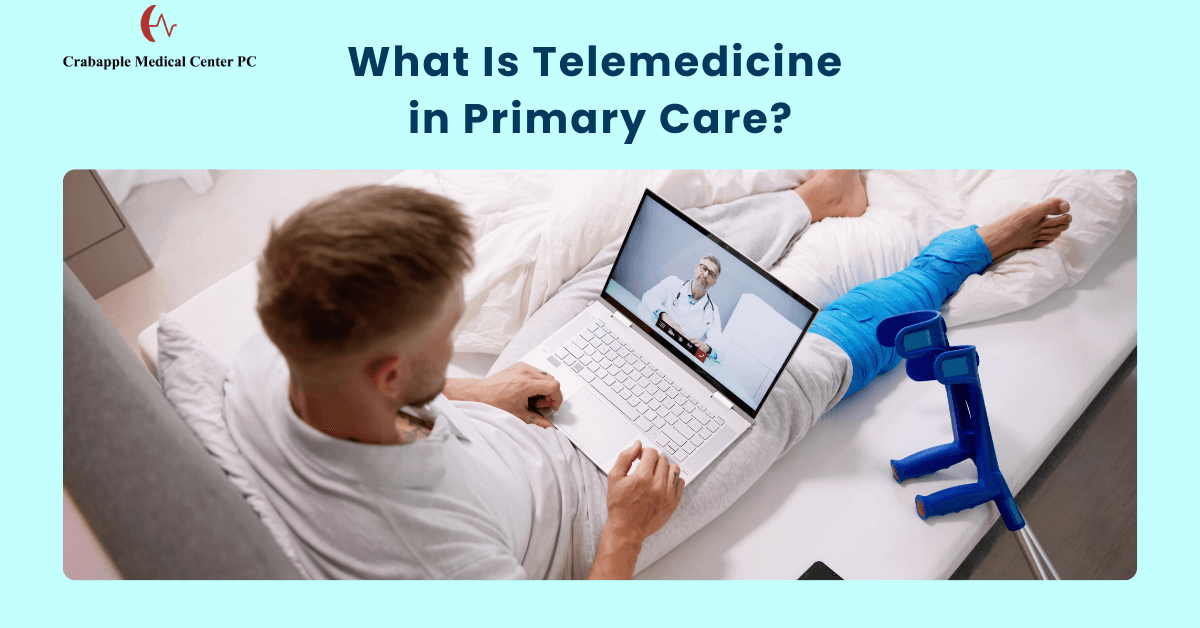
Telemedicine in primary care refers to the use of secure digital platforms to deliver healthcare services remotely. Through video calls, phone consultations, and online patient portals, providers can evaluate symptoms, review medical history, prescribe medications, and offer medical guidance without requiring patients to visit the clinic physically.
In primary care, telemedicine supports a wide range of services, including follow-up appointments, medication management, preventive counseling, and assessment of non-emergency health concerns. By integrating telehealth into routine care, primary care practices can increase accessibility while maintaining high standards of medical quality and patient safety.
How Telemedicine Has Changed Primary Care Access?
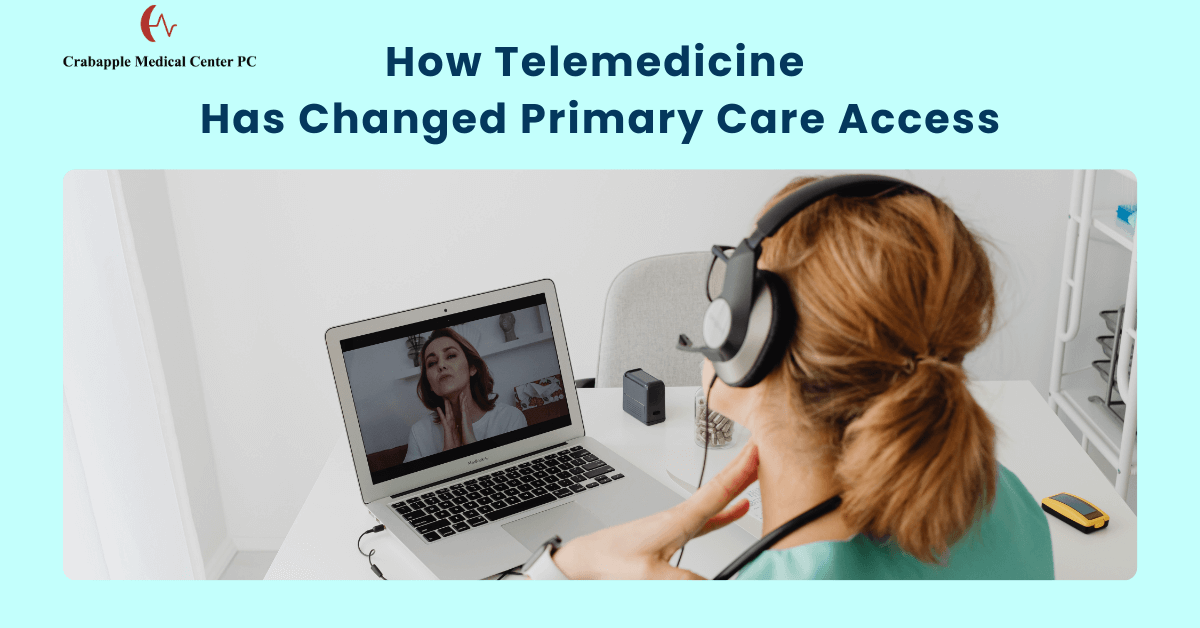
Telemedicine has significantly expanded access to healthcare, particularly for patients with busy schedules, mobility challenges, or transportation barriers. Virtual visits eliminate travel time, reduce waiting room congestion, and allow patients to connect with their provider from the comfort of home.
For primary care practices, telemedicine improves efficiency and continuity of care. Providers can monitor patients more consistently, address concerns promptly, and reduce unnecessary delays in treatment. This model supports proactive health management and enhances the patient-provider relationship through frequent, accessible communication.
Access Convenient Care Through Telemedicine
Quality healthcare should fit your lifestyle. At Crabapple Medical Center, our telemedicine services allow you to connect with trusted providers from the comfort of home for many primary care needs. Book your virtual appointment today and experience convenient care.
Common Reasons Patients Choose Telemedicine
Many patients choose telemedicine because it aligns with their lifestyle and healthcare needs. Virtual visits are especially valuable for addressing concerns that do not require a physical examination or diagnostic testing on-site.
Telemedicine is commonly used for discussing symptoms, reviewing test results, managing medications, and providing health education. It also supports timely care for minor illnesses, reducing the need for urgent care or emergency room visits for non-emergency conditions.
When Telemedicine Is the Right Choice
Telemedicine is most effective when used appropriately. Certain situations are well-suited for virtual care, allowing patients to receive efficient and effective medical attention.
Routine Follow-Up Appointments
Follow-up visits are among the most common uses of telemedicine in primary care. Patients managing chronic conditions such as hypertension, diabetes, or thyroid disorders often require regular check-ins to review symptoms, lab results, and medication effectiveness.
Virtual visits allow providers to monitor progress, make adjustments to treatment plans, and answer questions without requiring an in-office visit. This approach supports consistency in care while minimizing disruptions to daily routines.
Medication Management and Refills
Telemedicine is ideal for medication reviews and prescription refills. During virtual visits, providers can assess medication adherence, discuss side effects, and ensure treatments remain appropriate for the patient’s condition.
This convenience helps prevent interruptions in therapy and supports safe, effective medication use, particularly for patients managing long-term conditions.
Minor Illnesses and Acute Concerns
Many minor illnesses can be effectively evaluated through telemedicine. Conditions such as colds, sinus infections, allergies, mild gastrointestinal issues, and uncomplicated urinary symptoms can often be assessed based on patient history and reported symptoms.
Virtual visits allow providers to recommend treatment, prescribe medications when appropriate, and advise patients on symptom monitoring and recovery without delay.
Preventive Care Counseling
Preventive health discussions are well-suited for telemedicine. Topics such as nutrition, weight management, stress reduction, smoking cessation, and sleep health can be addressed effectively during virtual appointments.
These conversations play a vital role in primary care, helping patients reduce their risk of chronic disease and maintain long-term wellness.
Mental Health and Stress-Related Concerns
Telemedicine has proven particularly effective for addressing mental health concerns. Virtual visits provide a comfortable, private setting for discussing stress, anxiety, depression, and emotional well-being.
Primary care providers can offer support, recommend coping strategies, and coordinate referrals to mental health specialists when necessary.
Benefits of Telemedicine in Primary Care
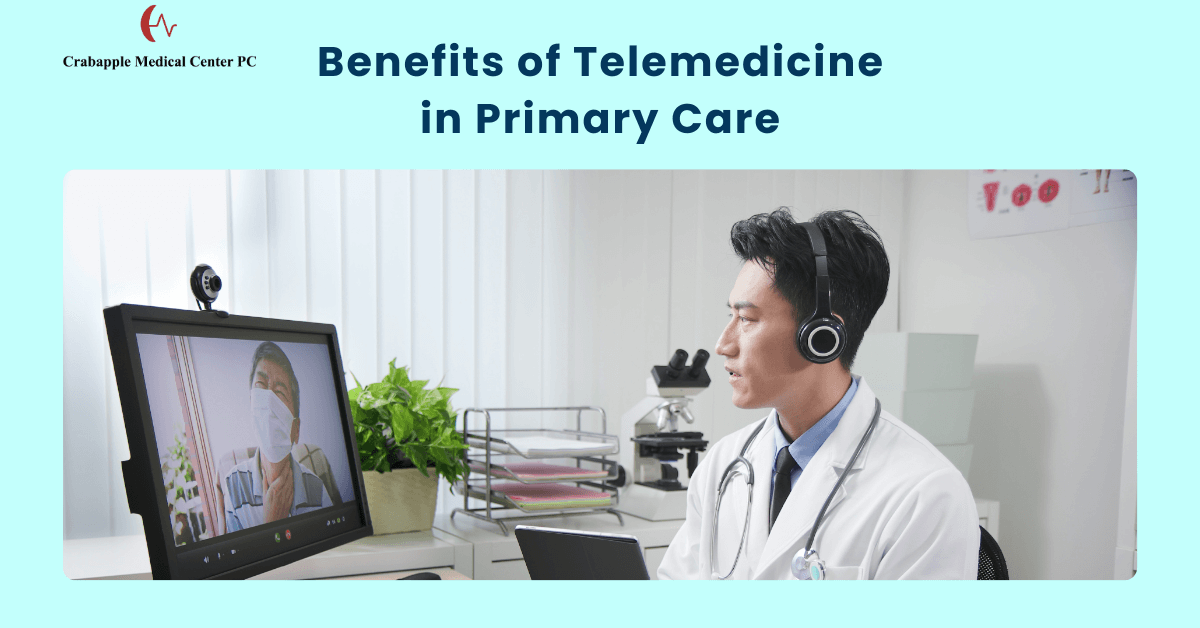
Telemedicine offers numerous benefits that enhance the patient experience and improve healthcare delivery.
Convenience and Accessibility
One of the most significant advantages of telemedicine is convenience. Patients can access care without commuting, taking extended time off work, or arranging childcare. This accessibility encourages patients to seek care promptly rather than delaying appointments.
Continuity of Care
Virtual visits support continuity of care by making it easier for patients to stay connected with their primary care provider. Regular communication allows for early intervention and ongoing monitoring of health conditions.
Reduced Exposure to Illness
Telemedicine minimizes exposure to contagious illnesses by reducing time spent in healthcare settings. This is especially beneficial for patients with weakened immune systems or chronic conditions.
Time and Cost Efficiency
By eliminating travel and reducing wait times, telemedicine saves time for both patients and providers. It can also lower healthcare costs by reducing unnecessary emergency room or urgent care visits.
Limitations of Telemedicine
While telemedicine offers many advantages, it is not suitable for every situation. Understanding its limitations helps ensure patients receive appropriate care.
When In-Person Visits Are Necessary
Certain conditions require physical examinations, diagnostic testing, or procedures that cannot be performed virtually. Symptoms such as chest pain, severe abdominal pain, neurological changes, or significant injuries require immediate in-person evaluation.
Primary care providers guide patients on when telemedicine is appropriate and when in-office care is essential.
Technology Requirements
Telemedicine relies on access to a stable internet connection and compatible devices. While many patients find virtual platforms easy to use, some may require assistance navigating technology.
Telemedicine and Chronic Disease Management
Telemedicine plays a growing role in managing chronic conditions. Regular virtual check-ins help providers monitor symptoms, review lab results, and adjust treatment plans as needed.
For patients with conditions such as diabetes, hypertension, and asthma, telemedicine supports consistent care while reducing the burden of frequent office visits.
Stay Connected to Care With Crabapple Medical Center
Our team offers secure virtual visits for follow ups, chronic care management, and everyday health concerns. Telemedicine makes it easier to stay on track with your health without unnecessary delays. Contact us today to schedule your appointment.
Telemedicine for Older Adults
Telemedicine offers valuable benefits for older adults, particularly those with mobility limitations or transportation challenges. Virtual visits provide access to primary care without the physical strain of travel.
Primary care providers ensure telehealth visits are patient-friendly and tailored to individual needs, supporting independence and quality of life for seniors.
Privacy and Security in Telemedicine
Protecting patient privacy is a top priority in telemedicine. Secure platforms are used to ensure confidentiality and compliance with healthcare regulations.
Patients can feel confident that their medical information is protected during virtual visits, just as it is during in-person appointments.
Preparing for a Telemedicine Appointment
Preparation helps maximize the effectiveness of a virtual visit. Patients are encouraged to:
- Choose a quiet, private location
- Ensure a stable internet connection
- Have a list of symptoms, medications, and questions ready
- Check device functionality before the appointment
These steps help ensure smooth communication and accurate assessment.
Telemedicine Services at Crabapple Medical Center PC
At Crabapple Medical Center PC in Alpharetta, GA, telemedicine is integrated into our primary care services to enhance access and continuity of care. Our providers offer virtual visits for appropriate concerns while ensuring seamless coordination with in-office care when needed.
Patients benefit from:
- Convenient follow-up visits
- Medication management
- Preventive care counseling
- Chronic disease monitoring
- Timely medical guidance
Our approach ensures patients receive personalized, high-quality care regardless of visit format.
Future of Telemedicine in Primary Care
Telemedicine continues to evolve, driven by advancements in technology and patient-centered care models. As virtual tools become more sophisticated, primary care will increasingly blend in-person and virtual services to meet diverse patient needs.
This hybrid approach supports proactive health management, improved access, and stronger patient-provider relationships.
Choosing the Right Visit Type for Your Needs
Understanding when to choose telemedicine versus in-person care empowers patients to make informed healthcare decisions. Virtual visits are ideal for many routine and non-emergency concerns, while in-office visits remain essential for comprehensive physical evaluations and procedures.
Primary care providers help guide these decisions, ensuring patients receive appropriate and timely care.
Take Advantage of Convenient Primary Care Today
Telemedicine offers a flexible, effective way to stay connected with your primary care provider. By choosing virtual visits when appropriate, patients can maintain continuity of care while fitting healthcare into their busy lives.
At Crabapple Medical Center PC, we are committed to delivering accessible, high-quality care through both virtual and in-person visits. Schedule your appointment today and experience the benefits of modern primary care.
Accessible Primary Care With In-Person and Virtual Visits
Your health deserves personalized attention and convenient access. With comprehensive primary care services and secure telemedicine options, our team supports your well-being at every stage of life. Contact Crabapple Medical Center PC to book your visit and take control of your health with confidence.
Frequently Asked Questions
What types of conditions can be treated through telemedicine?
Telemedicine is commonly used for minor illnesses, follow-up appointments, medication refills and management, preventive counseling, mental health check-ins, and ongoing monitoring of chronic conditions.
Is telemedicine as effective as in-person care?
For many non-emergency and routine concerns, telemedicine offers effective, high-quality care. In-person visits are recommended when physical examinations, diagnostic testing, or hands-on treatment are necessary.
Do I need special equipment for a telemedicine appointment?
No special equipment is required. Most telemedicine visits can be completed using a smartphone, tablet, or computer with a stable internet connection, a camera, and a microphone.
Can telemedicine be used for managing chronic diseases?
Yes. Telemedicine allows for regular check-ins, symptom monitoring, medication adjustments, and ongoing communication for conditions such as diabetes, high blood pressure, and asthma.
Is telemedicine safe, secure, and private?
Yes. Telemedicine visits are conducted using secure, encrypted platforms that protect patient privacy and comply with healthcare regulations.