

You have been eating healthier, exercising consistently, and making better lifestyle choices, yet the number on the scale refuses to change. If this sounds familiar, you are not alone. Many people experience a weight loss plateau, where progress slows down or stops completely despite continued efforts.
At Crabapple Medical Center, we believe successful weight management begins with understanding each patient's unique health profile. In this guide, we will explore some of the most common medical reasons behind a weight loss plateau and explain when it may be time to seek professional medical advice.
What Is a Weight Loss Plateau?
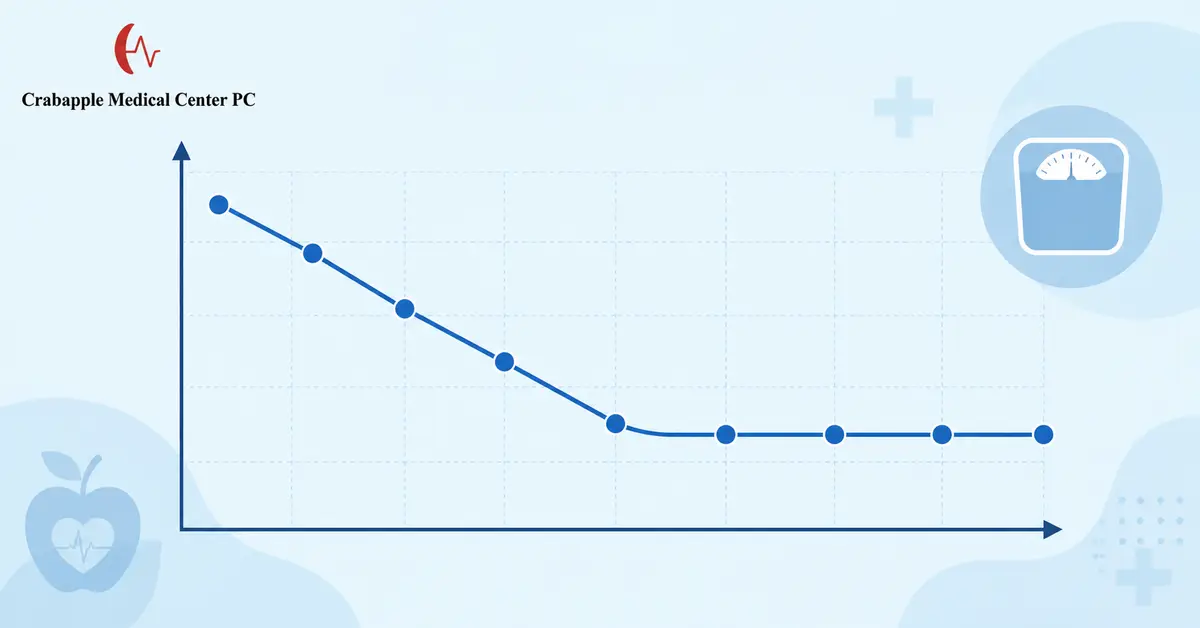
A weight loss plateau occurs when your body stops losing weight after a period of steady progress. During the early stages of a weight loss journey, people often see encouraging results. However, after several weeks or months, the rate of weight loss may slow significantly or stop altogether.
This happens because your body naturally adapts to changes in calorie intake and physical activity. As you lose weight, your body requires fewer calories to perform daily functions. Your metabolism may slow slightly, making continued weight loss more challenging.
If your weight has remained unchanged for several weeks despite maintaining healthy habits, it may be time to evaluate whether an underlying medical condition is contributing to the problem.
Is It Normal to Stop Losing Weight?
Yes, temporary plateaus are a normal part of most weight loss journeys. However, if your weight has not changed for six to eight weeks despite following a balanced diet and exercising regularly, you should consider discussing your concerns with a healthcare provider.
Persistent weight loss resistance is not always caused by a lack of motivation or willpower. In many cases, medical conditions or hormonal imbalances make it more difficult for the body to lose fat efficiently. Recognizing these factors can help you move beyond frustration and toward an evidence-based treatment plan.
Medical Reasons You May Not Be Losing Weight
1. Insulin Resistance

One of the most common causes of stubborn weight gain is insulin resistance. Insulin is responsible for helping glucose move from the bloodstream into your cells for energy. When your cells become resistant to insulin, your pancreas produces more of the hormone to compensate. High insulin levels encourage fat storage while making it harder for the body to burn existing fat.
People with insulin resistance often experience:
- Difficulty losing weight
- Weight gain around the abdomen
- Sugar cravings
- Fatigue
- Frequent hunger
Because insulin resistance develops gradually, many individuals are unaware they have it until routine blood work reveals elevated blood sugar or prediabetes.
2. Hypothyroidism
Your thyroid gland produces hormones that regulate metabolism. When the thyroid becomes underactive, a condition known as hypothyroidism, your metabolism slows down.
This can make weight loss much more difficult, even when following a healthy lifestyle. Common symptoms include:
- Fatigue
- Dry skin
- Constipation
- Feeling cold frequently
- Hair thinning
- Depression
- Weight gain
Because many of these symptoms develop gradually, hypothyroidism often goes undiagnosed for years. A simple blood test can help determine whether your thyroid is functioning properly. If hypothyroidism is identified, appropriate treatment often improves both metabolism and energy levels.
3. Polycystic Ovary Syndrome (PCOS)
PCOS is one of the leading hormonal disorders affecting women of reproductive age. Many women with PCOS also have insulin resistance, which contributes to weight gain and difficulty losing weight.
Symptoms may include:
- Irregular menstrual cycles
- Acne
- Excess facial or body hair
- Difficulty becoming pregnant
- Weight gain around the abdomen
Because hormones influence appetite, metabolism, and insulin function, managing PCOS often requires a comprehensive approach that includes nutrition, exercise, and medical treatment.
4. Hormonal Imbalances
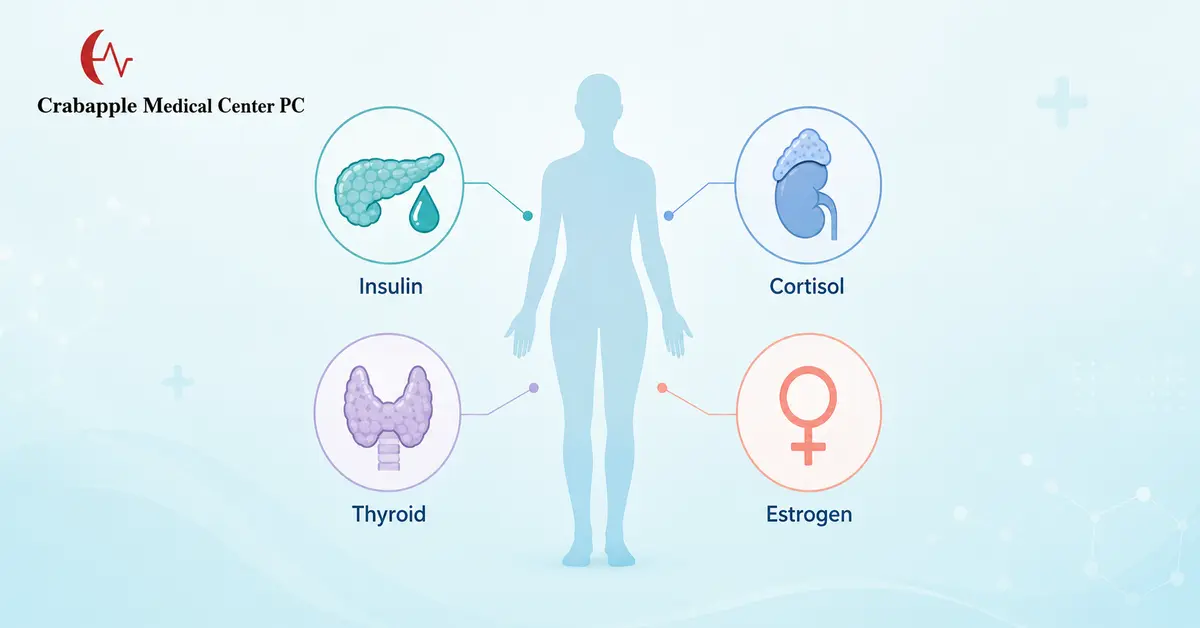
Weight regulation depends on several hormones working together. When these hormones become imbalanced, losing weight becomes increasingly difficult.
Hormones that influence body weight include:
- Insulin
- Leptin
- Ghrelin
- Cortisol
- Estrogen
- Testosterone
- Thyroid hormones
An imbalance in one or more of these hormones can increase appetite, slow metabolism, reduce energy levels, or promote fat storage. Medical evaluation helps determine whether hormonal changes are contributing to your weight loss plateau.
5. Poor Sleep and Sleep Apnea
Many people underestimate the role sleep plays in weight management. Sleep deprivation changes hormones that regulate hunger and fullness.
As a result, people who do not get enough quality sleep often experience:
- Increased appetite
- Sugar cravings
- Reduced energy
- Lower motivation to exercise
- Slower metabolism
Obstructive sleep apnea is another condition linked to obesity and difficulty losing weight.
People with sleep apnea repeatedly stop breathing during sleep, leading to poor sleep quality and daytime fatigue. Common symptoms include loud snoring, morning headaches, daytime sleepiness, and difficulty concentrating.
6. Chronic Stress and High Cortisol Levels
Stress affects much more than emotional well-being. When the body experiences ongoing stress, it produces higher levels of cortisol, commonly called the stress hormone.
Elevated cortisol can:
- Increase appetite
- Encourage fat storage around the abdomen
- Increase cravings for sugary foods
- Disrupt sleep
- Reduce motivation for physical activity
Many individuals unknowingly enter a cycle where stress leads to emotional eating, poor sleep, and reduced physical activity, all of which contribute to weight gain. Managing stress through healthy coping strategies is an important part of achieving sustainable weight loss.
7. Certain Medications Can Affect Weight
Some prescription medications may contribute to weight gain or make weight loss more challenging. While these medications are often necessary to manage specific health conditions, they can influence appetite, metabolism, or the way your body stores fat.
Examples include certain antidepressants, corticosteroids, diabetes medications, blood pressure medications, seizure medications, and hormonal therapies.
If you suspect your medication is affecting your weight, do not stop taking it on your own. Instead, discuss your concerns with your healthcare provider. In some cases, alternative medications or adjustments to your treatment plan may be available.
8. Menopause and Hormonal Changes
For many women, menopause brings significant hormonal changes that can affect body composition and metabolism. As estrogen levels decline, fat is more likely to accumulate around the abdomen. At the same time, muscle mass naturally decreases with age, reducing the number of calories your body burns at rest.
Women going through menopause may also experience:
- Hot flashes
- Sleep disturbances
- Mood changes
- Reduced energy
- Increased abdominal weight
Although these changes can make weight loss more difficult, they do not make it impossible. A combination of balanced nutrition, resistance training, regular physical activity, and medical guidance can help manage menopause-related weight gain.
9. A Slower Metabolism
Many people believe they have a "slow metabolism," but metabolism is influenced by several factors, including age, muscle mass, hormones, genetics, and physical activity.
As we get older, muscle mass naturally declines if it is not maintained through strength training and adequate protein intake. Since muscle burns more calories than fat, losing muscle can reduce your resting metabolic rate.
Crash diets and severe calorie restriction can also slow metabolism temporarily because the body adapts to conserve energy. Rather than drastically reducing calories, a sustainable approach that includes nutrient-rich foods and regular strength training is more effective for maintaining a healthy metabolism.
10. Poor Gut Health
Research continues to explore the connection between gut health and body weight. The trillions of bacteria living in your digestive system play a role in digestion, nutrient absorption, inflammation, and metabolism.
An imbalance in the gut microbiome may contribute to:
- Digestive discomfort
- Inflammation
- Changes in appetite
- Difficulty managing body weight
Supporting gut health through a balanced diet rich in fiber, fruits, vegetables, whole grains, and fermented foods may help improve overall health and metabolic function.
11. Undiagnosed Prediabetes or Type 2 Diabetes
Difficulty losing weight may sometimes be one of the earliest signs of prediabetes or type 2 diabetes. When blood sugar remains elevated, the body's ability to regulate energy becomes impaired. High insulin levels associated with insulin resistance often make weight loss more challenging.
Additional symptoms may include:
- Increased thirst
- Frequent urination
- Fatigue
- Blurred vision
- Slow healing wounds
Routine blood tests can identify blood sugar abnormalities before serious complications develop. Early diagnosis allows treatment to begin sooner and may help prevent the progression to type 2 diabetes.
Discover the Real Reason Behind Your Weight Loss Plateau
At Crabapple Medical Center, our experienced healthcare providers take a personalized approach to weight management by identifying medical conditions, hormonal imbalances, and lifestyle factors that may be preventing progress.
When Should You Seek Medical Advice?

A temporary plateau is normal, but persistent difficulty losing weight despite healthy habits deserves professional attention.
You should consider scheduling an evaluation if:
- Your weight has not changed for more than six to eight weeks.
- You continue gaining weight despite regular exercise.
- You experience fatigue or low energy.
- You have irregular menstrual cycles.
- You notice increased belly fat.
- You have a family history of diabetes or thyroid disease.
- You experience excessive hunger or frequent sugar cravings.
- You suspect your medications may be affecting your weight.
Early diagnosis allows healthcare providers to identify treatable conditions before they lead to more serious health complications.
How Crabapple Medical Center Can Help
Successful weight management involves much more than counting calories. At Crabapple Medical Center, we understand that every patient has a unique health history and different factors affecting their weight.
Our comprehensive evaluations help identify medical conditions, hormonal imbalances, and lifestyle factors that may be contributing to stubborn weight gain or a prolonged plateau.
Depending on your individual needs, our providers may recommend:
- Comprehensive health assessments
- Laboratory testing
- Nutritional counseling
- Personalized weight management plans
- Lifestyle modification strategies
- Ongoing medical monitoring
Our goal is to help you improve your overall health while achieving safe, realistic, and sustainable weight loss.
Start Your Weight Loss Journey
At Crabapple Medical Center, our experienced providers develop personalized weight management plans tailored to your unique health needs. Whether hormonal imbalances, metabolic conditions, or lifestyle factors are affecting your progress, we are here to help.
Personalized Care for Lasting Results
Reaching a weight loss plateau can be frustrating, especially when you are committed to living a healthier lifestyle. However, stalled progress does not always mean you are doing something wrong. Medical conditions such as insulin resistance, hypothyroidism, PCOS, menopause, sleep disorders, medication side effects, and hormonal imbalances can all make losing weight more challenging.
The key to overcoming a stubborn plateau is understanding the underlying cause rather than relying on increasingly restrictive diets or excessive exercise. A personalized approach that considers your medical history, lifestyle, and metabolic health is often the most effective path forward.
At Crabapple Medical Center, we are dedicated to helping patients identify the reasons behind their weight management challenges and providing evidence-based solutions that support lasting health improvements. With the right guidance and treatment plan, it is possible to move beyond a plateau and continue making meaningful progress toward your goals.
Frequently Asked Questions
Why have I stopped losing weight even though I am dieting?
Your body may have reached a temporary plateau, or an underlying medical condition such as insulin resistance or hypothyroidism may be affecting your progress.
How long does a weight loss plateau usually last?
A plateau may last several weeks. If it continues for more than six to eight weeks despite healthy habits, consult a healthcare provider.
Can hormones prevent weight loss?
Yes. Hormonal imbalances involving insulin, thyroid hormones, cortisol, estrogen, or testosterone can make weight loss more difficult.
Does poor sleep affect weight loss?
Yes. Inadequate sleep can increase hunger hormones, reduce energy, and contribute to weight gain.
Can stress cause a weight loss plateau?
Yes. Chronic stress increases cortisol levels, which may promote fat storage and increase appetite.