
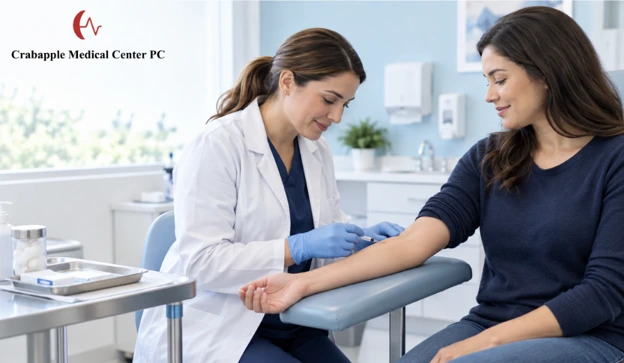
One commonly used screening method is the tuberculin skin test, also known as the PPD test. Unlike some medical appointments that can be completed in one visit, a traditional PPD test requires you to return to the medical office for the test to be read within a specific time. Missing the reading appointment may mean that the test cannot be properly interpreted and may need to be repeated.
At Crabapple Medical Center, patients in Alpharetta can receive guidance about TB screening requirements and the steps involved in completing a PPD test. Knowing what happens during each visit can help you plan around work, school, caregiving responsibilities, and other commitments.
What Is a TB Test?
A TB test is used to determine whether a person has been exposed to the bacteria that can cause tuberculosis. Tuberculosis is an infectious disease that most commonly affects the lungs, although it can affect other parts of the body.
The PPD skin test does not directly diagnose active tuberculosis disease. Instead, it checks whether your immune system reacts to a substance called purified protein derivative, which is placed just under the surface of the skin.
If the skin test produces a significant reaction when it is checked at the appropriate time, additional evaluation may be recommended. This can include a medical history, physical examination, chest imaging, or other testing depending on the individual's circumstances. For many people, the PPD test is used as part of screening rather than because they have symptoms of tuberculosis.
Why Do Workplaces and Schools Require TB Testing?
Certain workplaces and educational programs require TB screening because employees, students, volunteers, or caregivers may have contact with other people in settings where tuberculosis exposure could have important health consequences.
Healthcare workers may be asked to provide TB screening before employment or clinical training. Students entering nursing, medical, allied health, or other healthcare related programs may also need documentation of screening.
Caregivers and people working in residential care, childcare, assisted living, or similar settings may have specific screening requirements established by their employer or organization.
The exact requirements can vary by employer, school, program, facility, or state regulations. Before scheduling your test, check the documentation requirements provided by the organization requesting your screening.
What Does PPD Stand For?
PPD stands for purified protein derivative. It is the substance used for the traditional tuberculin skin test. The PPD is injected just beneath the surface of the skin, usually on the inner part of the forearm. A small, raised area may appear immediately after the injection.
The test is then evaluated during a specific time window. The healthcare professional looks for a measurable reaction at the injection site and records the result. The size of the reaction, rather than simply whether the area looks red, is important when interpreting a PPD test. Your healthcare provider considers the measurement along with your individual risk factors and the reason the test was performed.
How the Two Visit PPD Process Works
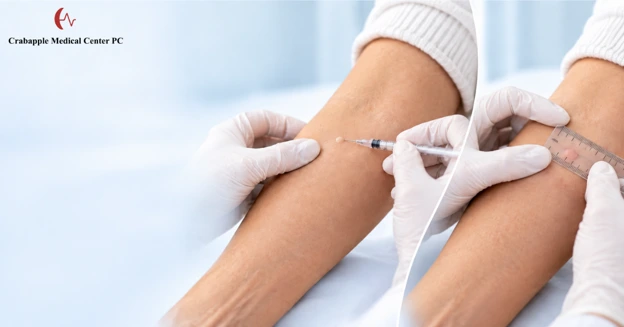
The traditional PPD test requires two separate visits. The first visit involves placing the test under the skin. The second visit is necessary to have the reaction checked and documented.
Planning both visits before you begin can help prevent delays, especially when a school or employer has given you a deadline.
Visit One: Placement of the PPD Test
During your first visit, a healthcare professional will ask about your medical history and the reason you need TB screening. The PPD solution is placed just beneath the surface of the skin on the forearm using a small needle. A small, raised area may appear at the injection site immediately afterward.
The procedure is generally quick, and most people can return to their usual activities afterward. Your healthcare provider will tell you when you need to return for the reading. The timing is important because the test must be evaluated during the appropriate window.
Visit Two: Reading the Test
The second visit is when a healthcare professional examines the test site and measures the reaction. You may notice some redness or a small area of firmness where the PPD was placed. The healthcare professional is primarily concerned with the amount of raised or firm tissue rather than redness alone.
The measurement is recorded in millimetre’s and interpreted according to your risk factors and the applicable clinical guidelines. If the result is considered positive, your healthcare provider may recommend additional evaluation. A positive skin test does not by itself mean that you have active tuberculosis disease.
Why Do You Have to Return for the Second Visit?
The PPD test relies on a delayed immune response. The reaction develops over time, which means it cannot be accurately evaluated immediately after the PPD is placed. Returning for the reading during the required time window allows the healthcare professional to measure the reaction at the appropriate stage.
If you do not return within the required window, the test may not be considered valid. In that situation, you may need to have another test placed. This is why it is helpful to schedule your second appointment before leaving your first visit.
When Does the PPD Test Need to Be Read?
The PPD test is generally read between 48 and 72 hours after placement. The exact timing matters. Your healthcare provider will give you instructions about when to return. For example, if your test is placed on Monday, you may be asked to return on Wednesday or Thursday for the reading, depending on the exact appointment time. Because the appropriate reading window is limited, it is important not to assume that you can return whenever it is convenient.
Does a PPD Test Hurt?
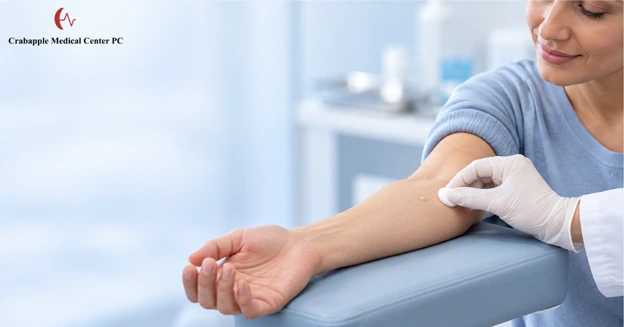
A PPD test involves a small injection under the skin. You may feel a brief pinch or mild discomfort during placement. The procedure is usually quick. Afterward, you may notice a small, raised area where the test was placed.
Some people develop itching, redness, swelling, or firmness at the site. Avoid scratching or irritating the area and follow the instructions provided by your healthcare professional. If you experience an unusual or significant reaction, contact your healthcare provider for guidance.
Need a TB Test for Work or School?
Do not wait for urinary discomfort to interfere with your daily routine. If you are experiencing possible UTI symptoms, contact Crabapple Medical Center to discuss same day evaluation and urine testing options.
What Should You Avoid After the Test?
After the PPD is placed, avoid scratching or rubbing the test area. You should also avoid attempting to alter the appearance of the reaction. The healthcare professional needs to evaluate the natural response at the appropriate time.
If the area becomes itchy, try not to scratch it. If you have concerns about the reaction, contact the medical office rather than attempting to treat or manipulate the site yourself.
What Does a Positive PPD Test Mean?
A positive PPD result means that the measured skin reaction meets the threshold considered positive for the person's risk category. It does not automatically mean that the person has active tuberculosis disease. People can have a positive TB skin test because of previous exposure to tuberculosis bacteria. In some cases, previous vaccination with Bacille Calmette Guérin can also affect interpretation.
When a PPD result is positive, additional evaluation may be recommended to determine whether there is evidence of active tuberculosis disease or another explanation for the result. Your healthcare provider will consider your symptoms, medical history, exposure risk, previous testing, and other relevant information.
What Does a Negative PPD Test Mean?

A negative result generally means that the skin reaction did not reach the threshold considered positive for the individual's risk category. However, a negative result does not always completely rule out tuberculosis infection. The timing of exposure, immune system function, symptoms, and other factors can influence interpretation.
If you have symptoms that could be associated with tuberculosis or have had a known exposure, your healthcare provider may recommend additional evaluation even if the initial skin test is negative.
Who May Need TB Screening?
TB screening may be required for people entering healthcare professions, certain educational programs, caregiving positions, childcare settings, residential care facilities, or other roles involving close contact with people.
Requirements vary considerably. Some organizations may request a single baseline test, while others may have specific screening protocols. If you are unsure what type of test your organization requires, ask the employer, school, licensing body, or program coordinator before your appointment.
Preparing for Your TB Test Appointment in Alpharetta
Preparing for your PPD appointment is generally simple. Bring identification and any paperwork provided by your employer, school, or organization. If you have previous TB testing records, bring those if they are relevant to the current requirement.
Tell your healthcare provider about previous TB tests, known exposure to tuberculosis, previous BCG vaccination, current health conditions, and any symptoms you may be experiencing. Most importantly, make sure you have enough flexibility to return for the second visit within the appropriate reading window.
When Should You Schedule Your PPD Test?
If you need a TB test for a new job, school program, clinical placement, or caregiving position, do not wait until the last day before your deadline. Because the traditional PPD process requires two visits, scheduling early gives you time to complete the placement and reading without unnecessary stress. If the result requires additional evaluation, having extra time may also make it easier to complete the required documentation.
Complete Your TB Screening with Confidence

A PPD test can be an important part of preparing for a new job, starting a healthcare education program, beginning a caregiving position, or meeting another screening requirement. Understanding that the traditional PPD process involves a placement visit followed by a reading visit can help you plan and avoid unnecessary delays.
If you need a TB test in Alpharetta, Crabapple Medical Center can help you understand the screening process and determine the appropriate next steps based on your individual circumstances. Contact the office to schedule your visit and complete your required TB screening.
Complete Your TB Screening
Whether you need TB screening for healthcare training, caregiving, employment, or another requirement, proper planning can make the process easier. Contact Crabapple Medical Center in Alpharetta to discuss your TB testing needs.
Frequently Asked Questions
How many visits are required for a PPD test?
A traditional PPD skin test requires two visits. The first visit is for placement of the test, and the second visit is for a healthcare professional to examine and measure the reaction.
When do I return after getting a PPD test?
The test is generally read between 48 and 72 hours after placement. Your healthcare provider will tell you exactly when to return based on the time your test was administered.
What happens if I miss my PPD reading?
If you do not return within the appropriate reading window, the test may need to be repeated. Contact the medical office as soon as possible if you cannot attend your scheduled reading.
Can I work after getting a PPD test?
Most people can continue their normal activities after PPD placement. Follow any specific instructions provided by your healthcare professional or workplace.
Can I shower after a PPD test?
Normal showering is generally not expected to interfere with the test. Avoid scratching, rubbing, or irritating the test site and follow the instructions provided by your healthcare provider.