

A sports physical is not simply a form that needs a doctor's signature. It is an opportunity to identify health concerns, review previous injuries, discuss exercise related symptoms, and make sure students understand how to stay healthy while participating in physical activity. A school physical may also include a broader assessment of growth, development, vaccinations, vision, hearing, and general health.
At Crabapple Medical Center in Alpharetta, families can schedule routine physical examinations and discuss health concerns before the school year, or sports season begins. Understanding what happens during the appointment can help parents and students arrive prepared and complete the required paperwork without unnecessary delays.
What Is a School Physical?

A school physical is a routine medical examination designed to assess a student's general health and development. Schools, childcare programs, camps, and educational organizations may have their own requirements for physical examinations. During the appointment, the healthcare provider may review the student's medical history, medications, allergies, immunization status, growth, vision, hearing, and general physical health.
The exact requirements can vary depending on the school, age of the student, program, and local regulations. Some schools may provide a specific form that must be completed by a healthcare provider. If your school has provided a physical examination form, bring it to the appointment so the healthcare team can complete the required sections.
What Is a Sports Physical?
A sports physical, sometimes called a preparticipation physical evaluation, focuses on whether a student has health concerns that could affect participation in organized sports. The provider reviews the student's medical history and performs a physical examination. Attention may be given to the heart, lungs, musculoskeletal system, and previous injuries.
The provider may also ask about symptoms that occur during exercise, such as chest discomfort, unusual shortness of breath, dizziness, fainting, or a racing heartbeat. The purpose is not simply to decide whether someone is allowed to play. The examination can identify issues that may require further evaluation, treatment, monitoring, or modifications to activity.
Why Do Students Need Sports and School Physicals?
Children and teenagers experience significant changes in growth and development. Regular physical examinations provide an opportunity to monitor those changes and identify health concerns early. For athletes, a physical can also provide important information about previous injuries, exercise related symptoms, and conditions that may affect participation.
A sports physical can be particularly useful when a student has recently experienced an injury or has a known medical condition. The provider can review the situation and determine whether additional information or follow up is needed. School physicals can also help keep routine preventive care up to date.
What Does the Doctor Check During a Physical?

The examination usually includes several components. The exact assessment depends on the student's age, medical history, reason for the appointment, and requirements of the school or sports organization.
Medical History
The medical history is an important part of the appointment. The provider may ask about previous illnesses, surgeries, hospitalizations, allergies, medications, chronic medical conditions, and family medical history.
For sports participation, questions may focus on previous injuries, concussions, fractures, asthma, exercise related symptoms, and any previous restrictions from physical activity. Parents and students should answer questions honestly. Providing complete information helps the healthcare provider make appropriate recommendations.
Vital Signs
The provider will usually check basic vital signs such as blood pressure, heart rate, respiratory rate, and temperature when appropriate. These measurements provide information about general health and may identify issues that deserve further evaluation.
Height and Weight
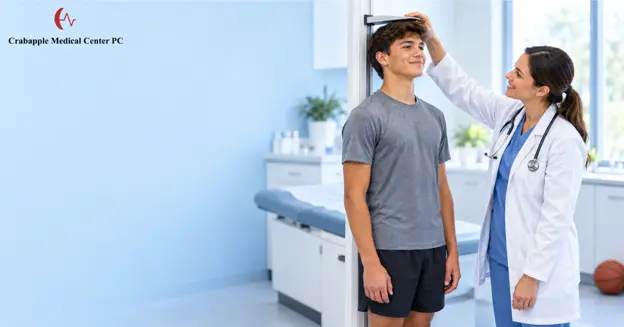
Height and weight may be measured during a school physical. These measurements help healthcare providers monitor growth over time. A single measurement does not provide the complete picture of a child's health, so providers consider age, growth patterns, development, and overall medical history.
Vision
Vision screening may be included as part of a school physical. Students who have difficulty seeing the board, reading, or focusing on objects at different distances should mention this to the healthcare provider. If the screening identifies a concern, the provider may recommend a comprehensive eye examination.
Hearing
Hearing may also be screened depending on the student's age and the requirements of the school or program. Hearing difficulties can affect classroom learning and communication, so identifying concerns early can be helpful.
Heart and Lungs
The provider will listen to the heart and lungs during the physical examination. For athletes, questions about exercise related chest discomfort, fainting, dizziness, unusual shortness of breath, or a racing heartbeat are particularly important.
Students should not dismiss these symptoms as simply being out of shape or tired from exercise. They should tell a parent, coach, or healthcare provider about symptoms that occur during physical activity.
Musculoskeletal Examination
The musculoskeletal examination focuses on the body's bones, joints, muscles, and movement. The provider may assess posture, range of motion, strength, balance, and areas affected by previous injuries. For athletes, this part of the examination can be particularly relevant because sports place different demands on the body.
Abdomen and General Physical Health
Depending on the student's age and circumstances, the provider may examine the abdomen and other parts of the body. The goal is to evaluate general health and identify findings that may require additional attention.
Schedule a School Physical
Getting a school physical completed early can help your family avoid last minute paperwork and appointment stress. Contact Crabapple Medical Center in Alpharetta to schedule a physical examination for your child or teenager.
What Does the Doctor Ask About Sports?
A sports physical may involve questions about the student's training and previous participation. The provider may ask what sports the student plays, how often they practice, and whether they have experienced pain or other symptoms during exercise.
Questions may also cover previous injuries, including fractures, sprains, muscle injuries, and concussions. Students should mention any symptoms that have occurred during or after exercise, even if the symptoms seem minor.
What Happens If the Doctor Finds a Problem?

Finding a health concern does not necessarily mean that a student cannot participate in sports or attend school. Depending on the finding, the provider may recommend monitoring, treatment, additional testing, referral to a specialist, or temporary activity modifications.
For example, if a student has an unresolved injury, the provider may recommend follow up before returning to a particular sport. The important point is that a physical examination provides an opportunity to identify concerns before they become bigger problems.
What Should Parents Bring to the Appointment?
Parents should bring the paperwork required by the school, sports organization, camp, or program. You may also need to provide information about immunizations, medications, allergies, previous surgeries, significant illnesses, and medical conditions.
If your child has a history of asthma, heart concerns, seizures, significant injuries, or other conditions, make sure the provider is aware. Having this information available can help prevent delays and reduce the chance that important details are missed.
What Should Students Tell the Doctor?
Students should be honest about how they feel during physical activity. Tell the healthcare provider about pain, dizziness, fainting, unusual shortness of breath, chest discomfort, or a sensation of the heart beating unusually fast or irregularly.
Also mention previous concussions, joint injuries, fractures, or recurring pain. A sports physical is a medical appointment, not a competition. Students should not hide symptoms because they are worried about missing a game or practice.
How Can You Make the Appointment Easier?
A little preparation can make the physical appointment more straightforward. Complete the medical history section of the form before arriving. Bring medication information, vaccination records, and details about previous injuries.
Make a note of any symptoms or questions you want to discuss with the healthcare provider. Students should also be prepared to answer questions directly. Older children and teenagers can provide valuable information about symptoms that parents may not have noticed.
When Should You Schedule a Physical in Alpharetta?
If your child needs a school physical, sports physical, camp examination, or routine wellness visit, scheduling ahead can make it easier to meet program requirements.
Crabapple Medical Center in Alpharetta provides primary care services for children, teenagers, and families. A physical appointment can address required paperwork while also providing an opportunity to review general health and preventive care needs.
Get Your School or Sports Physical Completed
Complete Your Child's Physical
Whether your child needs a school physical, sports clearance, or routine wellness examination, Crabapple Medical Center can help you stay on top of important health requirements.
A school or sports physical is more than a formality. It gives a healthcare provider an opportunity to review your child's overall health, identify concerns, discuss previous injuries, and address questions about physical activity. Preparing the required paperwork, medical information, and questions before the appointment can make the process smoother.
If your child needs a school physical or sports physical in Alpharetta, Crabapple Medical Center can provide a comprehensive primary care evaluation and help your family understand any next steps that may be needed before participation.
Frequently Asked Questions
What is checked during a sports physical?
Your content goes here. Edit or remove this text inline or in the module Content settings. You can also style every aspect of this content in the module Design settings and even apply custom CSS to this text in the module Advanced settings.
What should I bring to a sports physical?
Bring the sports or school physical form, medication information, allergy information, vaccination records when required, and details about previous injuries or medical conditions.
Can my child play sports if they have asthma?
Many students with asthma participate in sports. The healthcare provider can review the child's symptoms, treatment plan, and exercise history and provide guidance based on their individual circumstances.
Does a sports physical check the heart?
Yes. The provider typically listens to the heart and asks about symptoms such as chest discomfort, fainting, dizziness, unusual shortness of breath, or unusual heart racing during exercise.
What happens if my child has an abnormal sports physical?
The provider may recommend additional evaluation, treatment, monitoring, or temporary activity modifications depending on the finding. An abnormal finding does not automatically mean permanent exclusion from sports.