

Prediabetes is one of the most common metabolic health conditions affecting adults today, yet many people are unaware that they have it. Unlike diabetes, prediabetes often develops quietly without clear warning signs. A person may feel completely healthy while their blood sugar levels are gradually increasing and their body is becoming less effective at managing glucose.
At Crabapple Medical Center, we believe prevention and early intervention are essential parts of long-term wellness. Our healthcare providers focus on identifying risk factors, providing accurate testing, and creating personalized treatment plans that help patients take control of their metabolic health.
This guide explains what prediabetes is, the symptoms to watch for, how testing works, and why acting early can make a significant difference.
What Is Prediabetes?
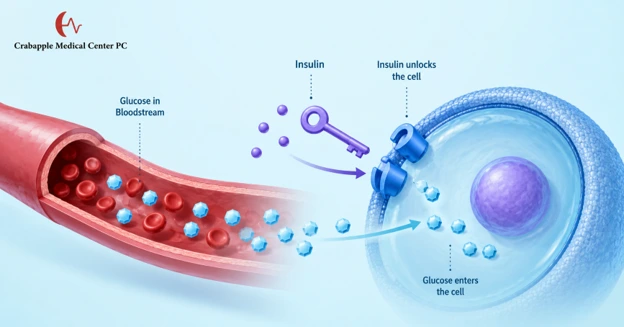
Prediabetes is a health condition where blood glucose levels are elevated above the normal range but have not reached the level required for a diagnosis of diabetes. It occurs when the body has difficulty using insulin effectively or when the pancreas cannot produce enough insulin to maintain healthy blood sugar levels.
Insulin is a hormone produced by the pancreas that helps glucose move from the bloodstream into the body's cells, where it is used for energy. When insulin does not work properly, glucose remains in the blood instead of entering the cells. This condition is known as insulin resistance.
In the early stages of insulin resistance, the pancreas compensates by producing more insulin. This extra insulin helps keep blood sugar levels within range for a period. However, continued stress on the pancreas can eventually lead to rising blood sugar levels and the development of prediabetes.
How Common Is Prediabetes?
Prediabetes is extremely common and affects millions of adults worldwide. Many people have the condition without knowing it because symptoms can be mild or completely absent.
A major reason prediabetes often goes unnoticed is that blood sugar levels may rise gradually over time. Unlike conditions that cause immediate symptoms, changes in glucose regulation can happen slowly while a person continues their normal routine.
Because prediabetes can remain hidden, regular health screenings are important, especially for individuals with risk factors such as excess weight, family history of diabetes, high blood pressure, or a sedentary lifestyle.
What Causes Prediabetes?
Prediabetes develops when the body is unable to manage blood sugar effectively. The most common underlying issue is insulin resistance, where the body's cells become less responsive to insulin.
Several factors can contribute to insulin resistance and the development of prediabetes. Excess body weight, especially fat stored around the abdomen, can increase inflammation and interfere with insulin function. A diet high in processed foods, sugary drinks, and refined carbohydrates can also contribute to frequent blood sugar spikes.
Physical inactivity is another major factor because muscles play an important role in using glucose for energy. When the body does not receive enough physical activity, it becomes less efficient at processing sugar.
Genetics can also influence your risk. Individuals with a parent, sibling, or close relative with type 2 diabetes may have a higher chance of developing prediabetes. Hormonal conditions such as polycystic ovary syndrome (PCOS), poor sleep quality, chronic stress, and certain medications may also increase risk. Although some risk factors cannot be changed, many lifestyle-related factors can be improved through proper guidance and consistent healthy habits.
Who Is at Risk for Prediabetes?
Prediabetes can affect anyone, but certain factors make some individuals more likely to develop the condition. People who are overweight or have excess abdominal fat are at increased risk because fat tissue can affect insulin sensitivity. Individuals who are physically inactive may also have a higher risk because regular movement helps the body use glucose more efficiently.
Age is another important factor. The risk of prediabetes increases as people get older, although younger adults can also develop the condition due to lifestyle and genetic factors. A family history of diabetes is another significant risk factor. If a close family member has type 2 diabetes, your healthcare provider may recommend regular blood sugar testing.
Women who have experienced gestational diabetes during pregnancy or who have conditions such as PCOS may also have an increased risk of insulin resistance and prediabetes. Other risk factors include high blood pressure, abnormal cholesterol levels, poor diet, chronic stress, and insufficient sleep.
Understanding your personal risk factors can help you and your healthcare provider create an effective prevention strategy.
Early Symptoms of Prediabetes
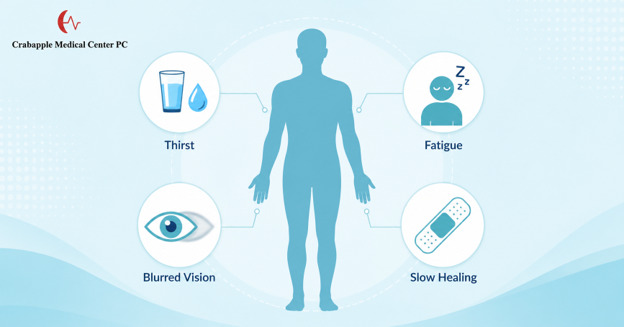
One of the challenges of prediabetes is that many people do not experience noticeable symptoms. This is why routine testing is so important.
However, some individuals may experience subtle changes that suggest blood sugar regulation problems. These may include increased thirst, frequent urination, unexplained fatigue, increased hunger, difficulty losing weight, blurred vision, and slow healing of cuts or wounds.
Some people may also develop dark, thickened patches of skin around the neck, underarms, or other areas of the body. This condition, called acanthosis nigricans, is often associated with insulin resistance. Because these symptoms can overlap with other health conditions, proper medical evaluation is necessary. Blood testing remains the most reliable way to identify prediabetes.
How Prediabetes Affects Your Body
Although prediabetes is considered an early stage of blood sugar imbalance, it can still affect your overall health.
When blood glucose remains elevated, it can place extra stress on blood vessels and organs. Over time, this may increase the risk of cardiovascular disease, kidney problems, nerve-related issues, and other complications.
Prediabetes is also closely linked with metabolic changes that make weight management more difficult. Insulin resistance can encourage fat storage, increase hunger, and make it harder for the body to use stored fat for energy.
Many individuals with prediabetes also experience challenges with energy levels and maintaining a healthy weight. Addressing the underlying metabolic changes early can improve both blood sugar control and overall quality of life.
How Is Prediabetes Diagnosed?
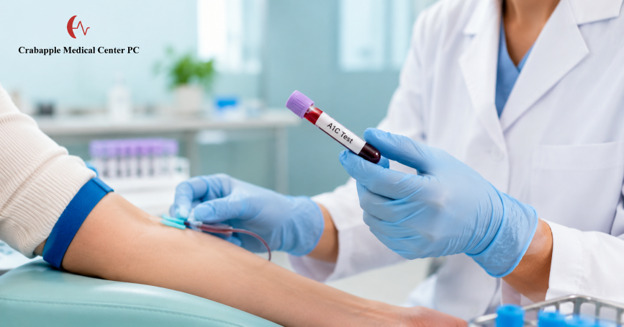
Prediabetes is diagnosed through blood tests that measure how your body manages glucose. These tests provide valuable information about your blood sugar levels and help your healthcare provider determine whether additional support is needed.
The most common tests used to identify prediabetes include the A1C test, fasting blood glucose test, and oral glucose tolerance test.
A1C Test
The A1C test measures your average blood sugar levels over approximately the previous two to three months. It provides a broader picture of your glucose control rather than measuring your blood sugar at only one moment.
This test is commonly used because it does not require fasting and can help identify early changes in blood sugar regulation.
Fasting Blood Glucose Test
A fasting blood glucose test measures your blood sugar after you have not eaten for a specific period, usually overnight. It helps determine how effectively your body maintains glucose levels when food is not being consumed.
Oral Glucose Tolerance Test
An oral glucose tolerance test measures how your body responds after consuming a glucose-containing drink. Blood sugar levels are checked at specific intervals to evaluate how efficiently your body processes sugar.
Your healthcare provider will consider your test results, symptoms, medical history, and risk factors when determining whether you have prediabetes and what steps should be taken next.
Understanding Your Prediabetes Results
Receiving a prediabetes diagnosis does not mean that diabetes is unavoidable. Instead, it provides an opportunity to act and improve your health.
Many people successfully lower their blood sugar levels through lifestyle changes and appropriate medical support. The earlier you begin addressing the condition, the greater your chances of preventing progression to type 2 diabetes.
A personalized approach that considers your nutrition, activity level, weight, medications, and overall health can help create a realistic plan for long-term success.
Book Your Prediabetes Screening Today
At Crabapple Medical Center, our healthcare providers offer comprehensive evaluations, blood sugar testing, and personalized recommendations to help patients improve metabolic health.
How to Reverse Prediabetes and Improve Blood Sugar Control
A diagnosis of prediabetes does not mean that type 2 diabetes is inevitable. In many cases, prediabetes can be improved and even reversed with the right approach. The key is making consistent changes that improve insulin sensitivity, support healthy weight management, and help your body regulate blood sugar more effectively.
Reversing prediabetes is not about following extreme diets or making temporary changes. It requires creating sustainable habits that support your overall health. Every person’s situation is different, which is why a personalized plan developed with the guidance of a healthcare provider can be especially valuable.
Focus on a Balanced, Blood Sugar Friendly Diet

Nutrition plays a major role in improving prediabetes. The goal is not to eliminate carbohydrates but to choose healthier sources and combine foods in a way that helps maintain stable blood sugar levels.
A balanced diet for prediabetes should include plenty of vegetables, lean proteins, healthy fats, and high fiber foods. Fiber helps slow digestion, which can prevent rapid increases in blood sugar after meals.
Protein is also important because it helps control hunger, supports muscle maintenance, and keeps you feeling satisfied for longer periods. Including foods such as fish, eggs, poultry, beans, Greek yogurt, and lean meats can support healthier eating patterns.
Healthy fats from sources such as avocados, nuts, seeds, and olive oil can also help support overall metabolic health. Reducing highly processed foods, sugary drinks, refined carbohydrates, and foods high in added sugars can make a significant difference in blood sugar control.
Maintain a Healthy Weight
For individuals who are overweight, even a modest amount of weight loss can have a meaningful impact on blood sugar levels.
Excess body fat, especially around the abdomen, is strongly associated with insulin resistance. Reducing abdominal fat can improve how your body responds to insulin and makes it easier to maintain healthier glucose levels.
Healthy weight loss does not require drastic changes. Small, consistent improvements in eating habits, physical activity, sleep, and stress management can create long-term results.
Exercise Regularly to Improve Insulin Sensitivity
When you exercise, your muscles require energy, and they become more efficient at absorbing glucose from the bloodstream. This helps lower blood sugar levels and improves insulin sensitivity. A combination of aerobic exercise and strength training provides the greatest benefits.
Activities such as walking, cycling, swimming, and other forms of cardiovascular exercise support heart health and calorie management. Strength training helps build and maintain muscle, which is important because muscle tissue plays a major role in glucose metabolism.
You do not need to begin with intense workouts. Starting with small increases in daily movement and gradually building consistency can create significant health improvements.
Improve Sleep Quality
Poor sleep can affect hormones that control hunger, appetite, and metabolism. People who regularly experience inadequate sleep may have increased cravings, reduced energy, and greater difficulty managing their weight.
To support better sleep, consider creating a consistent bedtime routine, limiting screen use before bed, maintaining a comfortable sleep environment, and managing stress throughout the day. If you experience loud snoring, daytime fatigue, or interrupted sleep, speak with a healthcare provider. Sleep disorders such as sleep apnea can affect blood sugar control and overall health.
Manage Stress Levels
When your body experiences ongoing stress, it releases hormones such as cortisol that can increase blood glucose levels and contribute to increased appetite and abdominal fat storage. Healthy stress management strategies may include regular physical activity, mindfulness practices, breathing exercises, spending time with loved ones, hobbies, and adequate rest.
Finding healthy ways to manage stress can support better decision-making, improve sleep, and make lifestyle changes easier to maintain.
How Crabapple Medical Center Can Help with Prediabetes Management
Managing prediabetes requires more than simply receiving a diagnosis. It requires understanding your individual health needs and creating a plan that supports lasting improvement. At Crabapple Medical Center, our healthcare team provides comprehensive care designed to identify risk factors, monitor blood sugar levels, and support healthier lifestyle choices.
Our approach may include reviewing your medical history, evaluating risk factors, recommending appropriate testing, discussing nutrition and exercise strategies, and providing ongoing support. We understand that every patient has different challenges. Some individuals may struggle with weight management, while others may need help addressing insulin resistance, hormonal concerns, or lifestyle barriers.
Personalized Care for a Healthier Future
At Crabapple Medical Center, we help patients understand their blood sugar health and create personalized strategies to improve insulin sensitivity, support healthy weight management, and reduce diabetes risk.
Take the Next Step Toward Better Health
Prediabetes is an important warning sign, but it is also an opportunity to make meaningful changes before type 2 diabetes develops. Many people can improve their blood sugar levels through healthier eating habits, regular exercise, weight management, stress reduction, and appropriate medical care.
At Crabapple Medical Center, we believe that preventive care and personalized support can make a significant difference in long-term health outcomes. Our team is committed to helping patients identify risks early, manage prediabetes effectively, and build healthier habits that last.
Frequently Asked Questions
Can prediabetes be reversed?
Yes. Many people can improve or reverse prediabetes through lifestyle changes such as healthy eating, regular exercise, weight management, and medical support when needed.
What are the first signs of prediabetes?
Prediabetes often has no symptoms, but some people may experience fatigue, increased thirst, frequent urination, increased hunger, or difficulty losing weight.
How is prediabetes diagnosed?
Prediabetes is diagnosed through blood tests such as the A1C test, fasting blood glucose test, or oral glucose tolerance test.
Does having prediabetes mean I will develop diabetes?
No. Prediabetes increases your risk, but many people prevent progression by making healthy lifestyle changes and following a personalized care plan.
What foods should I eat if I have prediabetes?
Choose foods rich in fiber, lean proteins, vegetables, healthy fats, and minimally processed carbohydrates while limiting added sugars and refined foods.