
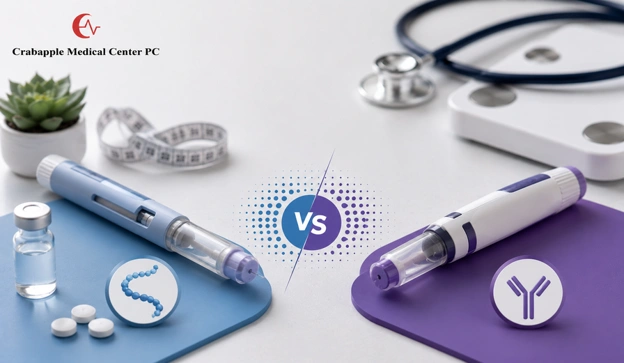
If you have been researching medical weight loss, you have probably come across two names repeatedly: semaglutide and tirzepatide.
Both medications have changed the way healthcare providers approach obesity and long-term weight management. They can reduce appetite, help you feel satisfied with less food, and support meaningful weight loss when combined with appropriate nutrition, physical activity, and medical supervision.
But when comparing tirzepatide vs semaglutide, an obvious question comes next: which one is better for you?
The answer depends on more than which medication produces the greatest average weight loss. Your medical history, cardiovascular health, blood sugar, digestive health, medications, weight-related conditions, treatment goals, side effect tolerance, and insurance coverage can all influence the decision.
At Crabapple Medical Center in Alpharetta, GA, medical weight management focuses on selecting treatment based on the individual rather than choosing a medication simply because it is popular.
This guide explains the most important differences between semaglutide and tirzepatide so you can have a better informed discussion with your healthcare provider.
What Is Semaglutide?

Semaglutide belongs to a group of medications called glucagon-like peptide-1 receptor agonists, commonly known as GLP-1 receptor agonists.
GLP-1 is a hormone naturally released after eating. It helps regulate appetite, digestion, insulin release, and blood sugar.
Semaglutide acts on GLP-1 receptors to strengthen these signals. For people receiving treatment for weight management, this can help reduce hunger, increase fullness after meals, and make smaller portions more satisfying.
Semaglutide is the active ingredient in Wegovy, which is FDA approved for weight reduction and long-term weight management in eligible patients. Wegovy also has an FDA-approved cardiovascular indication for reducing the risk of cardiovascular death, heart attack, and stroke in certain adults who have established cardiovascular disease and obesity or overweight.
Current FDA labeling includes both injectable and oral Wegovy formulations for certain adult indications.
What Is Tirzepatide?

Tirzepatide works somewhat differently.
Although it is frequently grouped into conversations about GLP-1 medications, tirzepatide actually acts on two hormone pathways:
GLP-1 and GIP, or glucose-dependent insulinotropic polypeptide.
This is why tirzepatide is often described as a dual GIP and GLP-1 receptor agonist.
Both hormones are involved in appetite and metabolic regulation. By acting on both pathways, tirzepatide can reduce appetite and food intake while also influencing insulin and blood sugar regulation.
For chronic weight management, tirzepatide is sold under the brand name Zepbound. It is FDA approved for eligible adults with obesity or adults with overweight who also have at least one weight-related medical condition.
Zepbound is also FDA approved for moderate to severe obstructive sleep apnea in adults with obesity.
Tirzepatide vs Semaglutide: What Is the Main Difference?
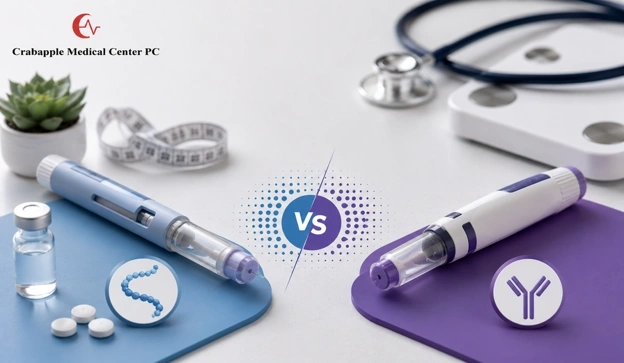
The biggest biological difference is the number of hormone receptors each medication targets.
Semaglutide primarily activates the GLP-1 receptor.
Tirzepatide activates both GIP and GLP-1 receptors.
That difference may help explain why tirzepatide has produced greater average weight reduction than semaglutide in some clinical studies.
However, more weight loss does not automatically mean a medication is the better choice for every patient.
Here is a simplified comparison:
| Feature | Semaglutide | Tirzepatide |
|---|---|---|
| Medication type | GLP-1 receptor agonist | Dual GIP and GLP-1 receptor agonist |
| Weight management brand | Wegovy | Zepbound |
| Appetite reduction | Yes | Yes |
| Helps increase fullness | Yes | Yes |
| Affects blood sugar regulation | Yes | Yes |
| Typical treatment | Dose gradually increased | Dose gradually increased |
| Weight-loss effectiveness | Significant | Often greater on average in head-to-head research |
| Cardiovascular risk indication | Wegovy has an FDA-approved indication for certain adults with established cardiovascular disease | Treatment choice depends on individual cardiovascular circumstances |
| Obstructive sleep apnea indication | Not the primary weight-management indication | Zepbound is FDA approved for moderate to severe OSA in adults with obesity |
| Medical supervision required | Yes | Yes |
The goal is not simply to choose the medication with the longest list of benefits. The goal is to match treatment to your individual health needs.
Which Works Better for Weight Loss: Tirzepatide or Semaglutide?
This is one of the most searched questions about tirzepatide vs semaglutide, and we now have direct clinical trial evidence.
A major head-to-head study published in 2025 compared once-weekly tirzepatide with once-weekly semaglutide in adults with obesity who did not have type 2 diabetes.
After 72 weeks, average body weight reduction was approximately:
20.2% with tirzepatide compared with 13.7% with semaglutide
Participants receiving tirzepatide were also more likely to reach weight-loss thresholds of 10%, 15%, 20%, and 25%.
These results suggest that tirzepatide can produce greater average weight loss for many patients under the conditions studied.
However, these numbers need context.
Clinical trial averages do not predict exactly how much weight an individual patient will lose. Results vary depending on dose, treatment duration, starting weight, nutrition, physical activity, medical conditions, medication tolerance, and consistency with treatment.
There is another important update. The head-to-head study used the semaglutide dosing available for comparison at the time. In March 2026, the FDA approved a newer 7.2 mg weekly Wegovy injection dose for long-term weight reduction and maintenance. That newer dose was not part of the original head-to-head trial, so the 20.2% versus 13.7% figures should not be interpreted as a direct comparison between tirzepatide and every semaglutide dose currently available.
This is one reason treatment decisions should be based on current medical guidance rather than social media comparisons.
How Do Semaglutide and Tirzepatide Reduce Appetite?
Both medications work partly by changing the biological signals involved in hunger and fullness.
Normally, hormones released after eating communicate with your brain and digestive system to indicate that you have consumed enough food.
For some individuals with obesity or metabolic dysfunction, appetite regulation can make maintaining a calorie deficit difficult. Hunger may return quickly after meals, portions may need to be larger to feel satisfied, or food cravings may make long-term dietary changes difficult to maintain.
Semaglutide and tirzepatide can strengthen signals associated with satiety.
As treatment begins to work, some patients notice that they:
Feel full after smaller meals, think about food less frequently, experience fewer cravings, and remain satisfied longer after eating.
This appetite control can make healthy nutrition habits easier to maintain, but medication should complement nutrition and lifestyle changes rather than replace them.
Does Tirzepatide Work Faster Than Semaglutide?
There is no reliable timeline that applies to every patient.
Both medications are generally started at a lower dose and increased gradually. Dose escalation gives your body time to adjust and can help reduce gastrointestinal side effects.
Some people notice changes in appetite relatively early, while significant changes in body weight generally occur progressively over months.
A faster initial response does not necessarily mean better long-term results.
Medical weight loss should focus on safe, sustainable progress rather than trying to lose as much weight as possible within the shortest amount of time.
What Are the Side Effects of Tirzepatide vs Semaglutide?
Because both medications influence appetite and gastrointestinal function, their most common side effects overlap considerably.
Common digestive effects can include nausea, diarrhea, constipation, vomiting, abdominal discomfort, indigestion, and reduced appetite.
These symptoms may be more noticeable when treatment begins or when the dose increases.
For many patients, gastrointestinal symptoms improve as their body adjusts. Others may require slower dose escalation, dietary adjustments, a different maintenance dose, or an alternative treatment.
Both medications also carry important warnings and are not appropriate for everyone. FDA labeling includes precautions related to conditions such as pancreatitis, gallbladder disease, kidney problems related to dehydration, severe gastrointestinal reactions, and low blood sugar when certain diabetes medications are used at the same time.
This is why GLP-1 based medications should be prescribed and monitored by a qualified healthcare professional.
Who Should Not Take Semaglutide or Tirzepatide?
Before starting either medication, your healthcare provider needs a complete medical and medication history.
Both Wegovy and Zepbound have boxed warnings related to thyroid C-cell tumors seen in animal studies. It is unknown whether these medications cause medullary thyroid carcinoma in humans.
They are contraindicated for patients with a personal or family history of medullary thyroid carcinoma or Multiple Endocrine Neoplasia syndrome type 2.
Your provider should also know if you have experienced pancreatitis, significant gastrointestinal problems, gallbladder disease, kidney problems, diabetic retinopathy, severe medication allergies, or if you take insulin or medications that can cause low blood sugar.
Individual risks differ, so having one health condition does not necessarily lead to the same treatment decision for every patient.
What About Pregnancy?
Weight-loss medication is not recommended during pregnancy.
Current FDA labeling states that Zepbound should be discontinued when pregnancy is recognized.
For semaglutide used for weight reduction, FDA labeling advises discontinuing Wegovy when pregnancy is recognized and stopping it at least two months before a planned pregnancy because semaglutide remains in the body for an extended period.
Tirzepatide also has an additional consideration for people taking oral hormonal birth control. Because it delays gastric emptying, Zepbound can reduce the effectiveness of oral hormonal contraceptives. Current FDA labeling advises using a non-oral contraceptive method or adding a barrier method for four weeks after starting treatment and for four weeks after each dose increase.
Discuss pregnancy plans and contraception with your healthcare provider before starting either medication.
Is Semaglutide Better If You Have Heart Disease?
For some patients, cardiovascular history can meaningfully influence treatment selection.
Wegovy has an FDA-approved indication to reduce the risk of cardiovascular death, nonfatal heart attack, and nonfatal stroke in adults who have established cardiovascular disease and either obesity or overweight.
In the cardiovascular outcomes trial supporting this indication, major cardiovascular events occurred in 6.5% of participants receiving Wegovy compared with 8% receiving placebo.
This does not mean semaglutide is automatically the correct medication for every person with cardiovascular disease. It does mean that established heart disease is an important factor to discuss when choosing weight-management therapy.
Is Tirzepatide Better If You Have Sleep Apnea?
Tirzepatide may have a particularly relevant FDA-approved indication for certain patients with obesity and obstructive sleep apnea.
In December 2024, the FDA approved Zepbound for moderate to severe obstructive sleep apnea in adults with obesity. Clinical studies found meaningful improvement in sleep apnea severity along with body weight reduction.
If obesity and moderate to severe obstructive sleep apnea are both part of your medical picture, this indication may be one factor your provider considers when comparing treatments.
Who Qualifies for Medical Weight Loss Medication?
Prescription weight-management medications are intended for patients who meet appropriate medical criteria, not simply anyone wanting to lose a few pounds.
For example, Zepbound's FDA weight-management indication includes adults with a BMI of 30 or greater, or adults with a BMI of 27 or greater who also have at least one weight-related medical condition.
Similar considerations are used when evaluating semaglutide for chronic weight management.
But BMI is only one part of the evaluation.
At Crabapple Medical Center, a medical weight-management consultation may consider your weight history, metabolic health, blood pressure, blood sugar, cholesterol, medications, previous weight-loss efforts, eating habits, activity level, family history, and personal health goals before determining whether prescription treatment is appropriate.
Tirzepatide vs Semaglutide: Which One Is Right for You?
There is no universal winner.
Tirzepatide may be worth discussing when greater average weight reduction is a major treatment priority. Head-to-head clinical evidence has shown greater average weight loss with tirzepatide under the study conditions evaluated.
Semaglutide may deserve particular consideration for certain adults with established cardiovascular disease, because Wegovy has a specific FDA-approved indication for reducing major cardiovascular events in that population.
Tirzepatide may be particularly relevant for adults with obesity and moderate to severe obstructive sleep apnea, because Zepbound has an FDA-approved indication for that condition.
For other patients, the decision may come down to side effects, medical history, medication interactions, preferred formulation, availability, insurance coverage, and individual response.
Sometimes the medication that looks strongest on paper is not the medication a patient tolerates best or can use consistently.
Successful treatment requires personalization.
Why Medical Supervision Matters
GLP-1 based weight-loss treatment should involve much more than writing a prescription.
Before treatment, a healthcare provider should determine whether the medication is appropriate and identify factors that may increase your risk of complications.
During treatment, regular monitoring allows your provider to evaluate weight changes, appetite, blood sugar when relevant, side effects, nutrition, hydration, muscle preservation, and overall health.
Dose increases can then be made based on how your body responds rather than following an unnecessarily aggressive schedule.
This approach is especially important because losing weight too quickly or eating too little can make it difficult to consume adequate protein and nutrients and may contribute to loss of lean muscle.
The goal should be improved health, not simply a lower number on the scale.
Nutrition Still Matters With Semaglutide or Tirzepatide
Medication may make eating less easier, but what you eat remains important.
Because appetite can decrease substantially, patients need to make the food they do eat count.
Meals should generally prioritize adequate protein, vegetables, nutrient-dense foods, fiber, healthy fats, and hydration according to individual medical needs.
Strength-based physical activity may also help preserve muscle during weight loss when medically appropriate.
At Crabapple Medical Center, a complete weight-management plan focuses on sustainable habits alongside medication so that treatment supports metabolic health as well as weight reduction.
What Happens If You Stop Taking a GLP-1 Medication?
Obesity is often a chronic condition, and medications that control appetite do not permanently remove the biological factors that contribute to weight gain.
When treatment is discontinued, hunger and appetite signals may increase again. Some people regain a portion of the weight they lost.
That does not mean treatment failed.
Instead, it demonstrates why long-term weight management requires a strategy that includes nutrition, physical activity, behavior, sleep, metabolic health, and appropriate medical follow-up.
Do not stop semaglutide or tirzepatide or change your dose without discussing it with your healthcare provider.
Be Careful With Compounded and Online GLP-1 Products
The growing popularity of semaglutide and tirzepatide has also created a market for compounded, counterfeit, and illegally marketed products.
The FDA warns that unapproved GLP-1 products do not undergo the same review for safety, effectiveness, and quality as FDA-approved medications. The agency has also reported concerns involving dosing errors, fraudulent labeling, inappropriate storage, and illegally marketed semaglutide and tirzepatide products.
Patients should obtain prescription medications through a qualified healthcare professional and appropriately licensed pharmacy.
A price that seems unusually low is not worth compromising medication quality or safety.
How Crabapple Medical Center Can Help
Choosing between tirzepatide vs semaglutide should begin with understanding your body, not following a trend.
At Crabapple Medical Center in Alpharetta, GA, our healthcare providers take a personalized approach to medical weight management.
Your evaluation can include your weight history, previous treatment attempts, current health conditions, medications, metabolic risk factors, lifestyle habits, and long-term health goals.
If prescription weight-loss medication is appropriate, your provider can help determine which option fits your individual needs, guide dose adjustments, monitor your response, manage side effects, and help you build healthier habits alongside treatment.
The goal is not simply rapid weight loss. It is creating a medically appropriate strategy that helps improve your health and gives you the best opportunity for sustainable results.
Start Your Personalized Weight Loss Journey
Semaglutide and tirzepatide are both powerful options in modern medical weight management, but they are not interchangeable and neither medication is right for everyone.
Tirzepatide has produced greater average weight reduction in a major head-to-head clinical study, while semaglutide has important established cardiovascular benefits for certain patients. Tirzepatide also has a specific FDA-approved role for moderate to severe obstructive sleep apnea in adults with obesity.
The best choice depends on your complete health picture.
Which Weight Loss Treatment Is Right for You?
Semaglutide, tirzepatide, or something else entirely. Our team at Crabapple Medical Center in Alpharetta, GA reviews your health history and helps you choose what fits.
A personalized medical evaluation can help you choose a treatment based on evidence, safety, and your long-term goals rather than online comparisons.
Frequently Asked Questions
Is tirzepatide better than semaglutide for weight loss?
In a 72-week head-to-head clinical trial involving adults with obesity without type 2 diabetes, tirzepatide produced an average weight reduction of 20.2% compared with 13.7% with semaglutide. Individual results vary, and newer semaglutide dosing options approved after that study were not part of the comparison.
What is the biggest difference between tirzepatide and semaglutide?
Semaglutide acts on the GLP-1 receptor, while tirzepatide acts on both GIP and GLP-1 receptors. This dual mechanism is one of the major biological differences between the medications.
Do semaglutide and tirzepatide have the same side effects?
Their common side effects are similar and primarily involve the gastrointestinal system. Nausea, diarrhea, vomiting, constipation, and abdominal discomfort can occur with either medication. Each medication also has specific warnings and considerations that should be reviewed with a healthcare provider.
Can I switch from semaglutide to tirzepatide?
Some patients may switch medications, but there is no single switching schedule appropriate for everyone. Your healthcare provider should determine when the previous medication should be stopped, when the new treatment should begin, and what starting dose is appropriate.
Can I take tirzepatide and semaglutide together?
These treatments should not be combined for weight management. Zepbound should not be used with another GLP-1 receptor agonist, and Wegovy labeling similarly advises against combining it with other GLP-1 receptor agonists or semaglutide-containing products.