

Feeling tired after a busy day is a normal part of life, but constant fatigue that does not improve with rest may indicate that something more than a hectic schedule is affecting your health. Many people experience ongoing tiredness and assume it is simply due to stress, work demands, or not getting enough sleep.
At Crabapple Medical Center, we understand that ongoing fatigue can significantly impact your quality of life. Our healthcare providers focus on identifying the underlying cause of your symptoms rather than simply treating tiredness.
This guide explains the common medical causes of constant fatigue, when you should seek medical advice, and how proper evaluation can help you regain your energy and improve your overall health.
What Is Constant Fatigue?
Fatigue is a persistent feeling of physical or mental exhaustion that does not improve with normal rest. While occasional tiredness is expected after a stressful day, intense activity, or lack of sleep, ongoing fatigue is different because it continues even after you make efforts to recover.
People experiencing constant fatigue may describe feeling drained, weak, mentally foggy, or unable to perform daily tasks with the same level of energy. Some individuals may sleep for several hours but still wake up feeling exhausted. Others may notice that their energy gradually decreases throughout the day, making routine activities feel overwhelming.
Fatigue can affect both the body and mind. Physically, it can reduce stamina, muscle strength, and motivation to stay active. Mentally, it can affect memory, focus, decision-making, and mood. Because fatigue can have many different causes, understanding the reason behind it is an important step toward effective treatment.
Normal Tiredness vs Medical Fatigue
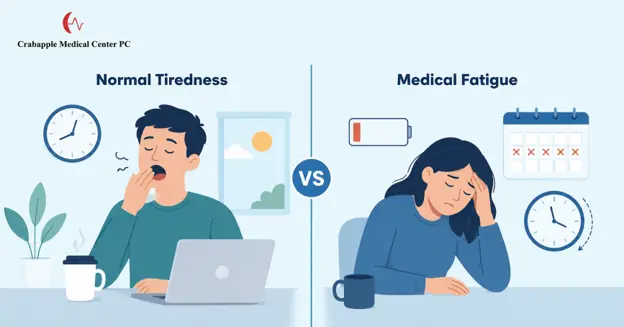
Everyone experiences tiredness from time to time. A demanding work schedule, emotional stress, travel, exercise, or poor sleep can temporarily reduce energy levels. In most cases, normal tiredness improves after adequate sleep, relaxation, and recovery.
Medical fatigue is different because it persists despite making healthy changes. If you are consistently getting enough sleep, eating well, and managing your daily routine but still feel exhausted, there may be an underlying health issue contributing to your symptoms.
Some signs that your fatigue may require medical attention include feeling exhausted for several weeks or months, struggling to complete normal activities, having trouble concentrating, needing frequent naps, or noticing other symptoms such as unexplained weight changes, dizziness, pain, or changes in mood.
Common Medical Causes of Constant Fatigue
Iron Deficiency and Anemia
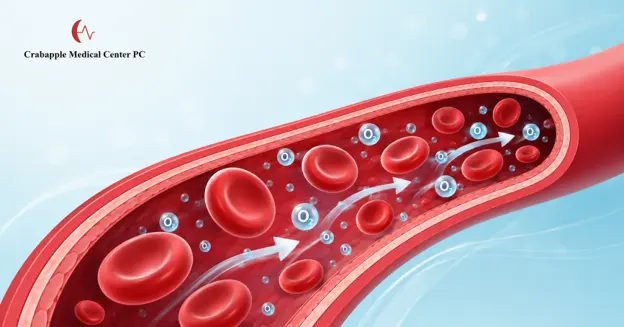
Iron deficiency is one of the most common medical causes of fatigue. Iron is essential because it helps your body produce haemoglobin, a protein in red blood cells that carries oxygen throughout the body.
When iron levels are low, your body may not receive enough oxygen, causing you to feel tired, weak, and physically drained. This condition can become more noticeable during exercise or periods of increased physical demand.
Iron deficiency anemia may cause symptoms such as ongoing tiredness, weakness, shortness of breath, dizziness, pale skin, headaches, and difficulty concentrating.
Certain individuals have a higher risk of iron deficiency, including people with heavy menstrual bleeding, those with certain dietary restrictions, and individuals with digestive conditions that affect nutrient absorption.
Thyroid Problems

The thyroid gland plays a major role in regulating metabolism, energy production, and many important body functions. When the thyroid does not produce enough hormones, a condition known as hypothyroidism can develop.
An underactive thyroid can slow many processes in the body and lead to persistent low energy. Some people may feel tired even after a full night of sleep and may notice changes in their weight, mood, or overall well-being.
Common symptoms associated with hypothyroidism include fatigue, unexplained weight gain, feeling unusually cold, dry skin, constipation, hair thinning, low mood, and difficulty concentrating.
Because thyroid-related symptoms often develop slowly, many people do not realize their fatigue is connected to thyroid function. Blood testing can help evaluate thyroid hormone levels and determine whether treatment may improve symptoms.
Vitamin Deficiencies
Your body requires specific vitamins and minerals to produce energy and maintain healthy functions. When important nutrients are too low, fatigue can become one of the first noticeable symptoms.
Vitamin D deficiency is common and may contribute to tiredness, muscle weakness, and reduced overall energy. Vitamin B12 deficiency can affect nerve function and red blood cell production, potentially causing fatigue, weakness, memory problems, and tingling sensations.
Folate deficiency may also affect energy levels because it plays an important role in producing healthy blood cells.
Nutritional deficiencies can occur due to dietary choices, certain medical conditions, or problems absorbing nutrients. A healthcare provider can recommend appropriate testing to determine whether low vitamin levels are contributing to your symptoms.
Diabetes and Blood Sugar Problems
Blood sugar problems are another important medical cause of ongoing fatigue. Your body relies on glucose for energy, but glucose must enter your cells properly to be used effectively.
When insulin does not work properly, such as in insulin resistance, prediabetes, or diabetes, glucose may remain in the bloodstream instead of providing energy to your cells. This can leave you feeling tired even when your body has enough fuel available.
Fatigue related to blood sugar problems may occur alongside other symptoms, including increased thirst, frequent urination, increased hunger, blurred vision, unexplained weight changes, and slow healing of wounds. Many people have insulin resistance or prediabetes before developing diabetes, making early testing and prevention extremely important.
Sleep Disorders Including Sleep Apnea
Poor sleep quality is one of the most common reasons people feel exhausted during the day. Even if you spend enough hours in bed, a sleep disorder can prevent your body from getting the restorative sleep it needs. Sleep apnea is a condition where breathing repeatedly stops and starts during sleep. These interruptions may happen hundreds of times during the night, preventing deep sleep and reducing oxygen levels.
People with sleep apnea often experience daytime fatigue, loud snoring, morning headaches, difficulty concentrating, and feeling tired even after sleeping for several hours. Because sleep apnea is also linked with conditions such as high blood pressure, weight gain, and metabolic problems, identifying and treating it can improve both energy levels and long-term health.
Chronic Stress and Hormonal Changes
Stress can have a powerful effect on your physical health. While short-term stress is a normal response, long-term stress can place continuous pressure on your body and contribute to ongoing fatigue.
Chronic stress increases hormones such as cortisol, which can interfere with sleep, appetite regulation, blood sugar control, and energy levels. Over time, this may leave you feeling mentally and physically exhausted.
Hormonal changes related to aging, menopause, and other medical conditions can also contribute to fatigue. Changes in hormones may affect sleep quality, metabolism, mood, and overall energy. Addressing stress levels and evaluating possible hormonal factors are important steps when treating persistent fatigue.
Discover the Cause Behind Your Constant Fatigue
At Crabapple Medical Center, our healthcare providers take a comprehensive approach to fatigue by evaluating possible medical conditions, nutritional concerns, hormonal changes, and lifestyle factors.
Additional Medical Causes of Constant Fatigue
While conditions such as anemia, thyroid disorders, vitamin deficiencies, diabetes, and sleep problems are common causes of fatigue, there are several other medical and lifestyle factors that may contribute to ongoing exhaustion. Understanding these additional causes can help identify the right approach for improving your energy levels.
Hormonal Imbalances
Hormones play a major role in regulating energy, metabolism, mood, sleep, and many other body functions. When hormone levels become unbalanced, fatigue can become a persistent and frustrating symptom.
Hormonal changes may occur due to aging, medical conditions, stress, or changes in reproductive health. For example, women may experience fatigue during menopause due to changing estrogen levels, while men may experience low testosterone levels that affect energy, muscle strength, and motivation.
Hormonal imbalances may also affect sleep quality, body weight, mood, and concentration. If fatigue occurs along with symptoms such as unexplained weight changes, mood changes, reduced strength, or changes in sleep patterns, a healthcare evaluation can help determine whether hormones may be involved.
Depression and Anxiety
Mental health and physical health are closely connected. Conditions such as depression and anxiety can significantly affect energy levels and may cause ongoing fatigue.
Depression can make everyday activities feel more difficult and may lead to low motivation, changes in sleep patterns, difficulty concentrating, and a constant feeling of exhaustion. Some people with depression may sleep more than usual but still feel tired.
Anxiety can also contribute to fatigue because constant worry and stress keep the body in a heightened state of alertness. Over time, this can interfere with relaxation, sleep quality, and emotional well-being.
Recognizing the connection between mental health and fatigue is an important part of finding effective solutions. A healthcare provider can help evaluate your symptoms and recommend appropriate support.
Chronic Infections and Inflammation
The immune system uses significant energy when the body is fighting infection or dealing with ongoing inflammation. As a result, chronic infections or inflammatory conditions can contribute to persistent tiredness.
Some individuals experience fatigue after infections because the body continues recovering even after the illness has improved. Others may have underlying inflammatory conditions that affect energy levels over time.
Chronic inflammation may be associated with conditions such as autoimmune disorders, digestive problems, and other long-term health concerns. If fatigue occurs with symptoms such as joint pain, fever, digestive issues, unexplained weight changes, or ongoing discomfort, medical evaluation can help identify possible causes.
Medication Side Effects
Certain medications can contribute to fatigue as a side effect. While medications are often necessary for managing health conditions, some may affect energy levels, sleep patterns, or alertness. Medications that may contribute to tiredness include some allergy medicines, blood pressure medications, antidepressants, pain medications, and other prescription treatments.
If you notice that your fatigue started after beginning a new medication or changing your dosage, speak with your healthcare provider. Do not stop prescribed medications without medical guidance but discuss your concerns so your treatment plan can be reviewed.
Poor Nutrition and Dehydration
Your body needs proper nutrition and hydration to produce energy effectively. A diet that lacks essential nutrients can leave you feeling tired, weak, and unable to perform at your best. Skipping meals, consuming too many processed foods, or not getting enough protein, vitamins, and minerals may contribute to low energy levels.
Dehydration is another common but overlooked cause of fatigue. Even mild dehydration can affect concentration, physical performance, and overall energy. Maintaining a balanced diet that includes lean proteins, vegetables, fruits, whole grains, healthy fats, and adequate fluids supports better energy and overall health.
How to Improve Your Energy Levels Naturally

Improving fatigue often requires addressing multiple areas of health rather than focusing on only one factor.
Start by creating a consistent sleep routine. Going to bed and waking up at similar times each day helps regulate your body’s internal clock and improves sleep quality. Focus on balanced nutrition by including foods that provide steady energy. Meals containing protein, fiber, and healthy fats can help prevent blood sugar fluctuations that may contribute to tiredness.
Stay physically active by choosing activities that fit your current fitness level. Walking, stretching, strength training, and other forms of movement can gradually improve energy and overall health.
Managing stress is also important. Relaxation techniques, mindfulness, hobbies, and time with supportive people can help reduce the physical effects of chronic stress. Most importantly, if fatigue continues despite healthy habits, seek medical guidance to identify whether an underlying health condition may be involved.
Start Your Health Evaluation Today
At Crabapple Medical Center, our providers offer comprehensive health evaluations to identify the medical factors contributing to fatigue and provide personalized recommendations for better energy and wellness.
How Crabapple Medical Center Can Help?
Constant fatigue can have many possible causes, and identifying the correct one is the first step toward effective treatment. At Crabapple Medical Center, our healthcare providers take a comprehensive approach to evaluating fatigue and understanding the factors affecting your energy levels.
During an evaluation, our team may review your symptoms, medical history, lifestyle habits, medications, and overall health. Depending on your situation, laboratory testing may be recommended to check for concerns such as thyroid problems, vitamin deficiencies, blood sugar issues, anemia, or other medical conditions.
Every patient is different, and the best approach depends on your specific health needs. Whether fatigue is related to nutrition, hormones, sleep, stress, or another medical concern, professional guidance can help you move toward better energy and wellness.
Take the First Step Toward Better Energy
Constant fatigue should not be considered something you simply have to live with. While occasional tiredness is a normal part of life, ongoing exhaustion that affects your daily activities may be a sign that your body needs attention.
At Crabapple Medical Center, we are committed to helping patients understand their symptoms and receive personalized care based on their unique health needs. If you are constantly tired and struggling to find answers, our healthcare team can help you identify the cause and develop a plan to restore your energy.
Why am I tired all the time even after sleeping?
Feeling tired despite getting enough sleep may be linked to poor sleep quality, sleep disorders, nutritional deficiencies, hormonal issues, or underlying medical conditions.
Can vitamin deficiencies cause fatigue?
Yes. Low levels of vitamins such as vitamin D, vitamin B12, and folate can contribute to tiredness and reduced energy.
Can thyroid problems make me tired?
Yes. An underactive thyroid can slow metabolism and cause persistent fatigue, weight changes, and other symptoms.
Is constant fatigue a sign of diabetes?
Fatigue can be associated with diabetes, prediabetes, and insulin resistance because the body may struggle to use glucose effectively for energy.
Can stress make me feel exhausted?
Yes. Chronic stress can increase cortisol levels, affect sleep, and contribute to physical and mental fatigue.